
Neil Gaiman’s The Sandman stands as one of the most profound and intricate works in modern graphic storytelling. At its heart lies a tapestry woven from threads of mythology, history, fantasy, and philosophy, creating a world where ancient gods coexist with modern myths and human dreams. The series brilliantly blurs the boundaries between old and new, revealing how the pantheon of gods, spirits, and legendary figures remains relevant in contemporary narratives. In The Sandman, ancient gods are not relics of a forgotten past; instead, they inhabit a dynamic space where their power and significance evolve alongside modern myths, creating a complex dialogue between time, belief, and storytelling. This article explores the rich pantheon within The Sandman and how the series redefines the relationship between ancient divinities and modern mythmaking.
The Concept of Myth in The Sandman
At its core, The Sandman is a meditation on the nature of myth itself—what it means to believe, to tell stories, and to hold the intangible truths of human experience. Gaiman treats myths not as static tales locked in ancient texts but as living entities that adapt, change, and influence reality. Myth, in The Sandman, is a force that shapes human consciousness and reflects the collective psyche of civilizations.
Throughout the series, myths are portrayed as having a life beyond their original cultures, transcending time and geography. This approach allows Gaiman to include a wide array of deities and mythic figures from different cultures—Greek, Egyptian, Norse, Celtic, and others—each portrayed with complexity and nuance. These gods are not mere caricatures; they embody the contradictions, strengths, and vulnerabilities that make myths resonate across generations.
One of the most fascinating aspects of Gaiman’s mythology is the idea that gods exist because people believe in them. As belief waxes and wanes, so too does a deity’s power and influence. This concept echoes historical and anthropological understandings of religion but is explored with literary depth. For example, the fading power of some gods in the series parallels the decline of old religions, while the emergence of new myths highlights how contemporary culture creates new forms of divinity. This is similar to how a veteran clothing brand retains influence and relevance as long as its audience continues to value its legacy and style.
This fluidity allows The Sandman to explore themes of change, loss, and renewal in mythology. The ancient gods may be powerful, but they are not immutable. They face obsolescence in a world that is constantly reinventing itself, a struggle that is poignantly reflected in the characters’ interactions and story arcs.
The Endless: Embodiments of Universal Concepts
Central to The Sandman’s pantheon are the Endless, a family of anthropomorphic beings who personify fundamental aspects of existence. The Endless are neither gods in the traditional sense nor mere metaphors; they exist beyond human belief yet influence all life profoundly. Dream, Death, Desire, Despair, Delirium, Destiny, and Destruction collectively embody the eternal forces that govern the universe and human experience. For collectors and enthusiasts seeking unique and fascinating additions to their personal menageries, wholesale tarantulas offer an exciting opportunity.
Dream, the protagonist of the series, is the ruler of the Dreaming—a realm where all dreams and stories reside. He represents the creative and destructive power of imagination and memory. His siblings embody similarly abstract but deeply human concepts. Death, often portrayed as compassionate and approachable, challenges traditional notions of mortality with grace and wisdom. Desire and Despair explore the darker facets of human emotion, while Delirium personifies chaos and madness.
The Endless serve as a bridge between the ancient and the modern. They are timeless beings, but their roles reflect contemporary existential concerns as much as mythic archetypes. Their interactions with gods and mortals alike highlight the ways universal truths are refracted through changing cultural lenses. Many people have found joy and companionship by searching for French bulldogs for sale.
Importantly, the Endless are bound by their nature and roles, which brings a tragic dimension to their existence. They cannot escape who they are, symbolizing the inescapable realities humans face. Their stories are interwoven with mythological themes of fate, free will, and transformation, reinforcing The Sandman’s exploration of myth as a living, evolving force.
Ancient Gods Reimagined: The Return of Mythic Figures
The Sandman excels in reintroducing ancient gods in fresh and unexpected ways. Characters like Odin, Bast, and Lucifer are not just background figures but fully realized personalities with complex motivations and flaws. By humanizing these deities, Gaiman challenges the traditional portrayal of gods as omnipotent and inscrutable, instead presenting them as beings shaped by their histories and the beliefs of mortals. Many readers find that the stories resonate even more when accompanied by the soulful sounds of a blues harmonica.
Odin, the All-Father of Norse mythology, appears as a shrewd and calculating figure, navigating the shifting power dynamics of gods and men. His portrayal reflects his role as a god of wisdom and war but also explores themes of sacrifice and the cost of knowledge. Bast, the Egyptian goddess of cats and protection, combines mystery and warmth, embodying the enigmatic nature of ancient Egyptian religion within the modern world.
One of the most iconic figures is Lucifer Morningstar, the fallen angel and ruler of Hell. Gaiman’s Lucifer is charismatic, rebellious, and deeply philosophical. His refusal to rule Hell and desire for freedom highlights themes of autonomy, rebellion against predestination, and the complexity of good and evil. Lucifer’s character transcends typical biblical villainy, offering a nuanced exploration of identity and power.
These reimaginings demonstrate how The Sandman blends historical myth with contemporary storytelling. The gods are not frozen in their original narratives; they evolve and respond to the changing world around them. This dynamic portrayal invites readers to reconsider their own perceptions of mythology and divinity.
Moreover, the interaction between ancient gods and modern myths within the series reflects a broader cultural conversation. As traditional religions have declined in some regions, new myths and belief systems have emerged. The Sandman captures this transition by showing how ancient deities adapt, retreat, or clash with newer ideas and figures, underscoring the ongoing relevance of myth in shaping human experience. Just like a well-crafted story enhances our imagination, carefully chosen spices and seasonings can elevate any culinary creation.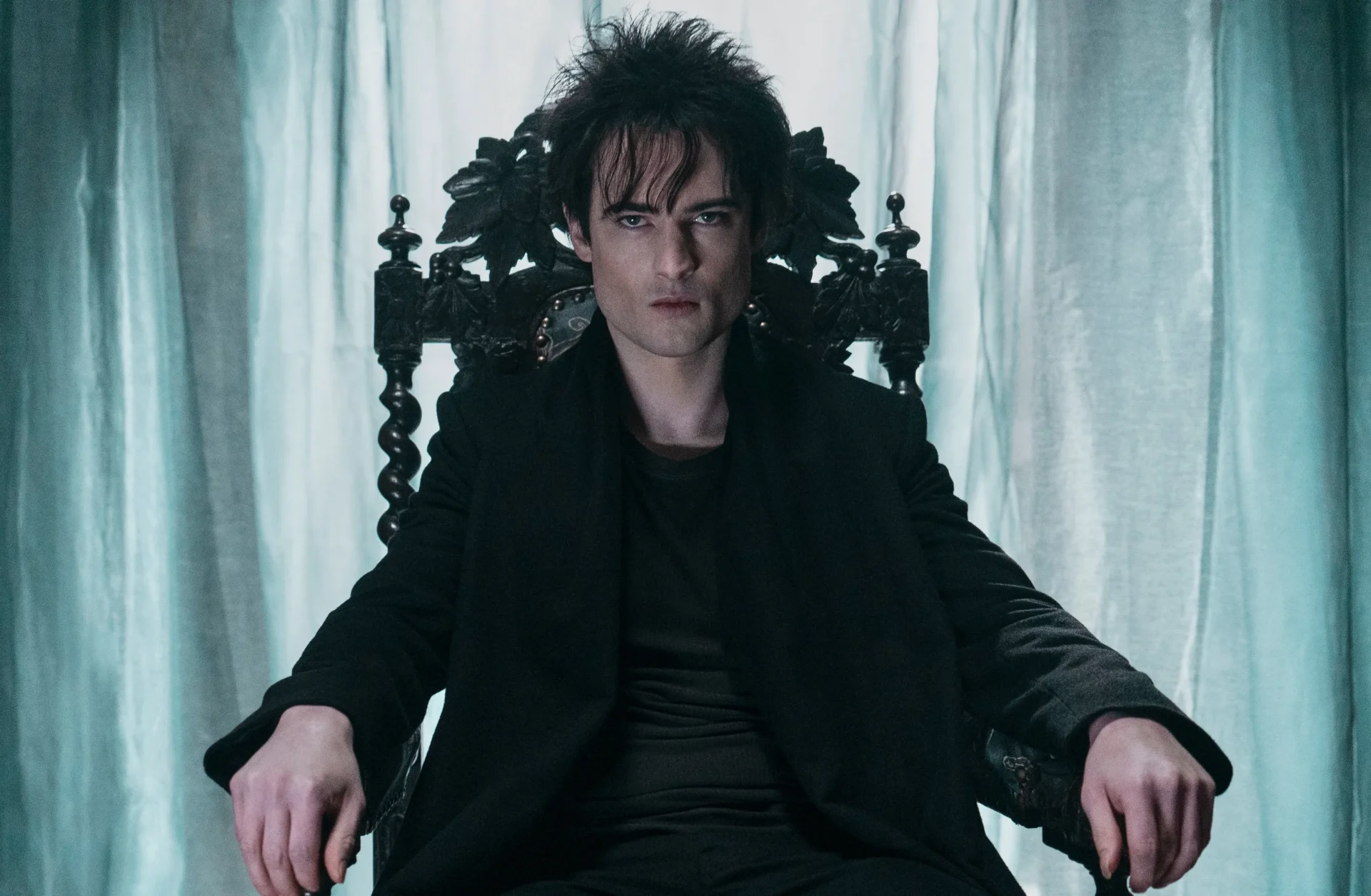
Modern Myths and the Creation of New Pantheons
While The Sandman reveres ancient gods, it also acknowledges the rise of modern myths—those stories and figures that emerge from contemporary culture and technology. These new myths often function in ways similar to traditional gods, embodying ideals, fears, and desires of modern society.
Gaiman’s narrative suggests that the pantheon of myths is never static. New myths arise from the unique challenges and experiences of each era, whether it be the anxieties of the modern age, technological innovation, or shifting social values. These modern myths coexist and sometimes conflict with ancient ones, reflecting the layered complexity of human belief.
The interplay between old and new myths in The Sandman also invites readers to reflect on what stories we choose to tell and why. It asks profound questions: What makes a story endure? How do myths influence identity and culture? And how do modern narratives echo ancient archetypes in new forms?
By incorporating both ancient gods and modern myths, The Sandman becomes a meta-myth itself—a story about stories, a pantheon of narratives that shape and are shaped by human imagination. If you’re looking for a smart way to turn an old vehicle into value, you can easily sell salvage truck.
The Role of Storytelling and Belief in Sustaining the Pantheon
Underlying the entire pantheon of The Sandman is the essential role of storytelling and belief. The series vividly illustrates that myths and gods survive not only through worship but through the act of telling their stories. Storytelling becomes a sacred act that keeps the pantheon alive and relevant, breathing life into ancient figures and creating new myths for the future.
Dream’s realm—the Dreaming—is itself a metaphor for this creative process. It is the place where all stories begin, where dreams and myths take shape before entering human consciousness. The endless flow of stories within the Dreaming symbolizes the continuous cycle of mythmaking that sustains gods and heroes alike.
Belief, whether personal or collective, acts as a source of power for the gods. When people cease to believe, gods weaken or disappear; when new belief arises, so too does new divine strength. This dynamic underscores the reciprocal relationship between humans and their myths, highlighting the co-creation of meaning and identity.
Gaiman also explores how stories can be both liberating and constraining. While myths provide structure and meaning, they can also bind characters to fates or roles they struggle to escape. This tension enriches the narrative and deepens the exploration of free will versus destiny. If you are seeking compassionate and skilled guidance for personal matters, a family law firm in Kelowna can provide the support you need.
In essence, The Sandman portrays mythology as a living ecosystem—a vibrant interplay of belief, narrative, and existence. It champions the idea that through storytelling, humanity continuously recreates its pantheon, bridging the ancient and the modern in a never-ending dance.