
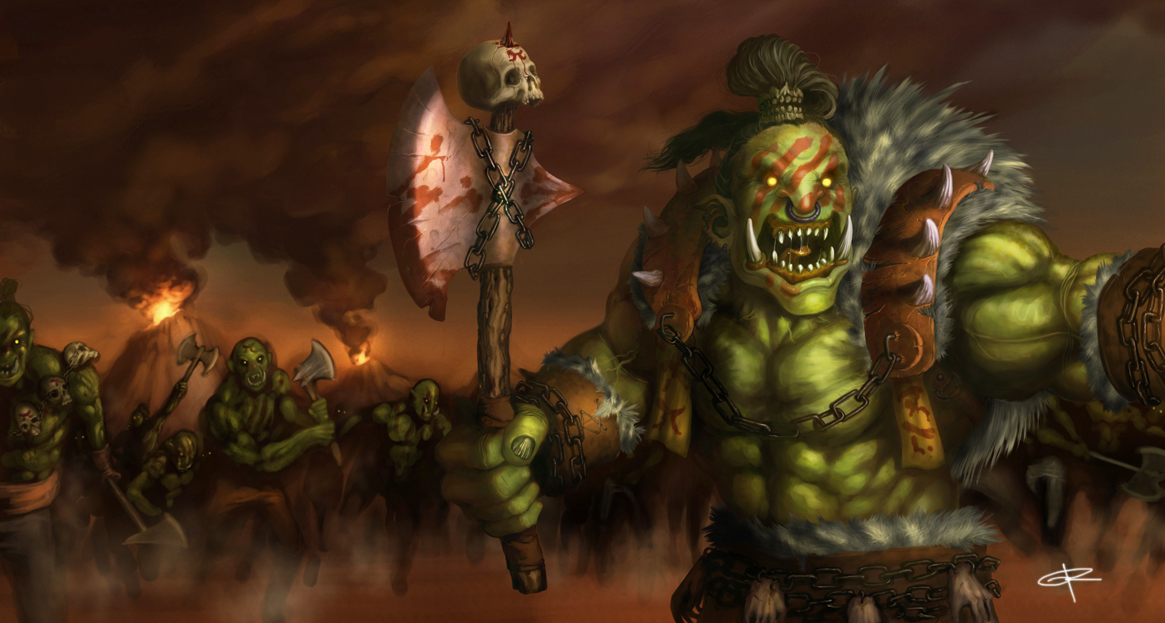
Orcs have long stood as one of the most recognizable and divisive figures in the realm of fantasy fiction. From the grotesque, snarling hordes in J.R.R. Tolkien’s Middle-earth to the grim, battle-scarred warriors in modern video games and fantasy epics, orcs have maintained a unique place in the genre’s cultural lexicon. Yet beyond their brute strength and violent tendencies lies something far more significant: orcs embody some of the most fundamental and unsettling themes in human storytelling—war, brutality, and survival.
Often depicted as monstrous, uncivilized, and inherently violent, orcs are more than just antagonists or cannon fodder for heroes. They serve as symbolic reflections of our darkest instincts, our fears about the loss of control, and our brutal histories of conquest and destruction. At their core, orcs are avatars of survivalism in its rawest form, driven by scarcity, violence, and a distorted sense of unity forged in the fires of endless conflict. In harsh climates, their culture often emphasizes practical gear and winter apparel to endure the elements.
Their portrayal across literature, film, and games gives authors and creators a visceral language for exploring the cost of war, the ethics of violence, and what happens to identity in a world that demands constant struggle. Whether presented as mindless beasts or misunderstood outsiders, orcs are often a mirror for our own complicated relationship with power, tribalism, and survival at all costs.
Orcs as War Machines: The Embodiment of Endless Conflict
Orcs are almost always introduced to fantasy stories within the context of war. Whether they are the foot soldiers of a dark lord or the tribal invaders on the fringes of a peaceful kingdom, orcs are synonymous with organized, relentless violence. Their cultures, if portrayed at all, are often structured entirely around martial values—dominance, strength, aggression, and loyalty through power. This makes them particularly effective symbols of war’s dehumanizing force, as their entire existence revolves around battle.
In Tolkien’s legendarium, which heavily influenced modern fantasy, orcs are the corrupted creations of Morgoth and later Sauron. They are bred for war, stripped of free will, and thrown into endless combat, often against enemies they may not even comprehend. Their entire identity is defined by what they fight against, not what they are. This depiction echoes real-world concerns about how soldiers—especially conscripts or child soldiers—can become dehumanized tools in larger political or ideological machines.
Modern iterations of orcs in franchises like Warhammer, The Elder Scrolls, or World of Warcraft often elaborate on this foundation by exploring orcish societies that are structured like wartime economies. In these universes, honor, death in battle, and constant conflict are not only normalized—they are idealized. Orcs who do not fight are seen as weak or unworthy. Their homes are often forged in harsh, unforgiving landscapes where strength is the only currency, and survival itself becomes an act of war.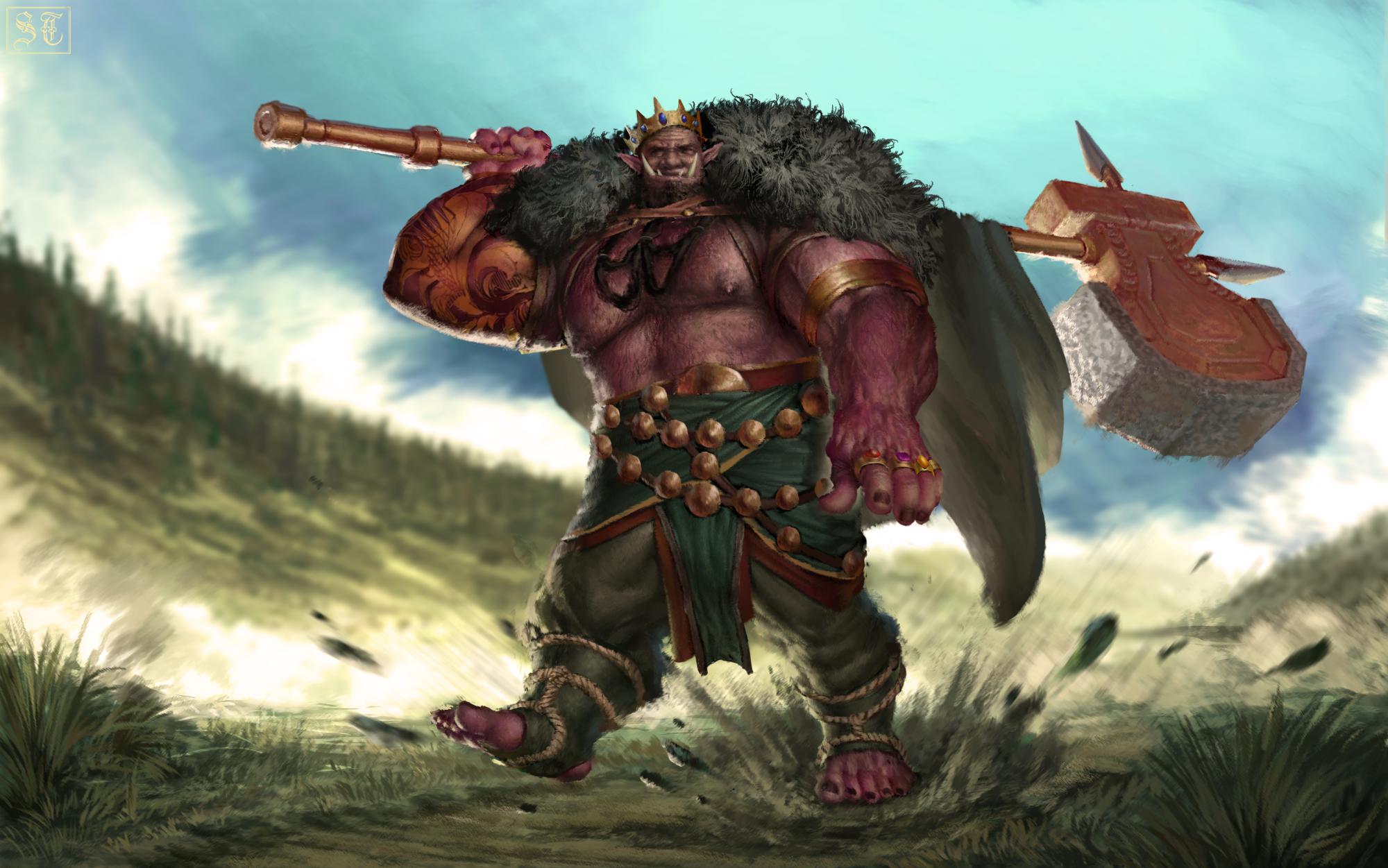
This relentless focus on combat allows fantasy narratives to explore the psychology of war from an angle that human characters might not permit. Because orcs are often treated as “other,” their actions can be exaggerated without the moral constraints typically reserved for human protagonists. This opens space for examining questions like: What happens to a society when peace is no longer conceivable? What becomes of individuals raised entirely within cycles of violence? Through orcs, authors can reflect the terrifying possibility that entire civilizations might exist only to destroy or be destroyed, a metaphor for real-world systems trapped in endless warfare.
At the same time, orcs often highlight the moral ambiguity of war. Are they monsters because they fight, or do they fight because they have been treated as monsters? These questions make orcs compelling stand-ins for oppressed or colonized peoples who are demonized in the very conflicts that seek to erase them. Their violent existence becomes a tragic commentary on cycles of violence—where those who are brutalized become brutal in turn.
Brutality as Culture: The Role of Violence in Orc Identity
If war defines the orcish role in the world, brutality defines their sense of self. In many fantasy stories, orc societies are portrayed as built upon violence—not only against their enemies but among themselves. Power is taken, not given. Leaders rise through strength and cunning, often by killing or challenging those above them. In such worlds, brutality is not merely tolerated—it is ritualized, glorified, and embedded into every aspect of cultural life.
This normalization of violence serves a crucial narrative function. It allows authors to build a culture that is alien yet recognizably human, reflecting the darkest tendencies within human civilization. Orcish brutality is a magnifying glass on what happens when empathy, justice, and social contracts are discarded in favor of primal law. In doing so, it allows stories to explore the psychological costs of living in such an environment—both for the orcs themselves and for those who encounter them.
But orc brutality also raises difficult questions about what constitutes civilization and savagery, and who gets to define those terms. In many stories, human kingdoms accuse orcs of being barbaric, yet these same kingdoms often enslave, colonize, or annihilate the orcish tribes in the name of peace. This double standard forces readers to question the simplistic dichotomy between “civilized” and “savage,” and to see brutality not as the exclusive domain of monsters, but as a potential within all societies.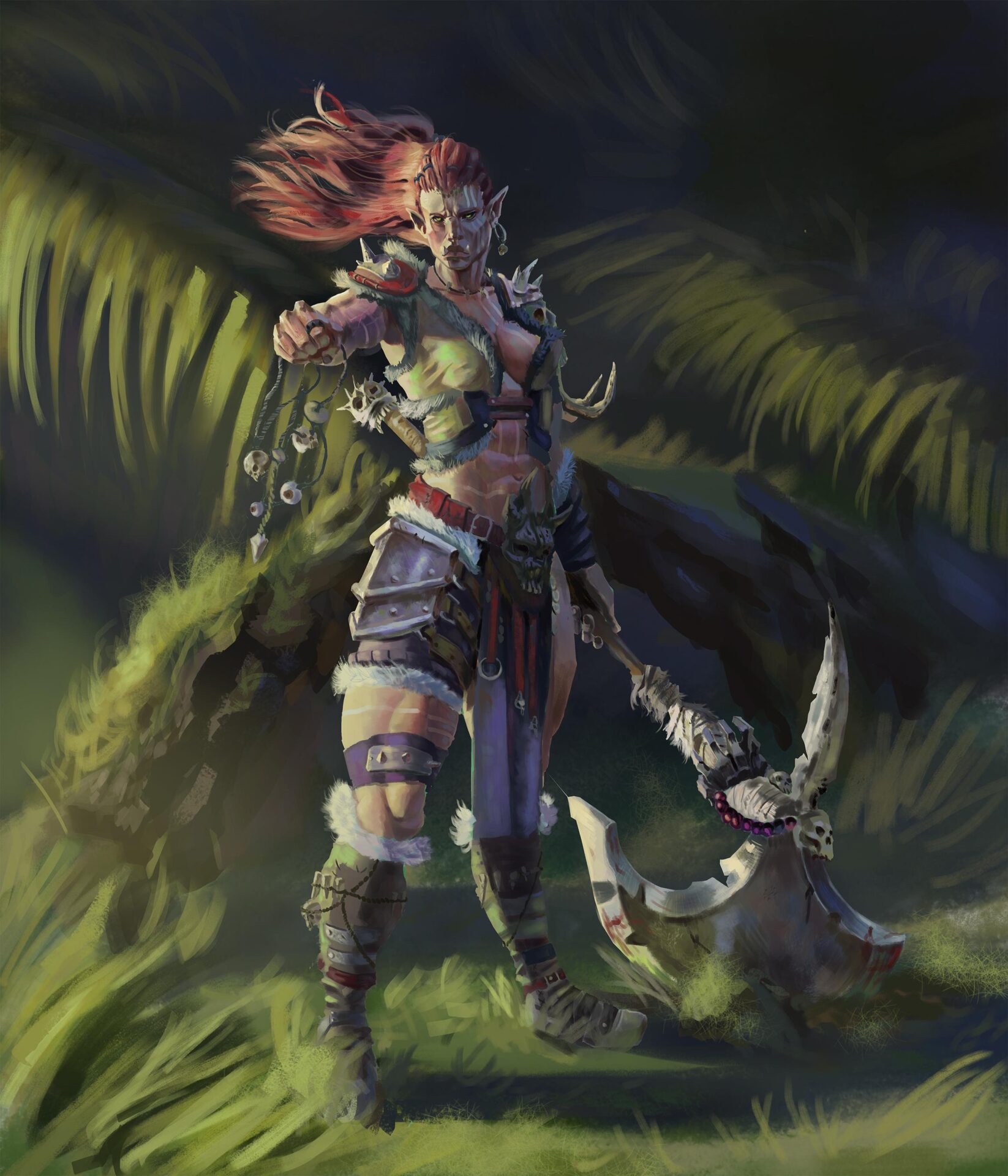
Furthermore, orc brutality often serves as a reaction to environmental and historical trauma. In countless fantasy worlds, orcs live in barren, war-ravaged lands where resources are scarce and enemies are constant. In such conditions, brutality becomes a survival mechanism, a necessary adaptation to a hostile world. This casts orc violence in a different light—not as mindless evil, but as the outcome of systemic hardship.
Many modern fantasy writers have begun to explore this more nuanced view. Authors like Stan Nicholls (Orcs series) and Anna Smith Spark (Empires of Dust trilogy) depict orcs as complex beings whose violent culture masks deep emotional wounds and ancestral scars. They are survivors of genocides, victims of propaganda, and prisoners of their own legacy, struggling to find meaning in a world that offers them none beyond war.
Orcs and the Struggle for Survival: From Monsters to Metaphors
Perhaps the most enduring theme embodied by orcs is survival. Stripped of the romanticism often granted to elven grace or dwarven honor, orcs are the raw face of what it means to persist in a world that actively seeks your destruction. This makes them potent metaphors for the marginalized, the displaced, and the forgotten.
In many fantasy settings, orcs are nomadic, scattered across ruins or confined to harsh, inhospitable lands. Their cultures often reflect the values of resilience, adaptability, and endurance. They don’t create grand empires or eternal cities. Instead, they live on the edge of extinction, always fighting for the right to exist. This mirrors real-world histories of displaced peoples, stateless nations, and indigenous communities who have had to resist annihilation across generations.
Because of this, modern fantasy has begun to reinterpret orcs not just as villains, but as tragic or even heroic figures. In video games like Dragon Age: Inquisition or Shadow of War, orcs are given names, backstories, and internal conflicts. Players are invited to see the world through their eyes—not as destroyers, but as survivors shaped by a world that has given them few choices.
This shift represents a significant evolution in fantasy storytelling. It challenges readers to consider who gets to tell the story, and how point of view alters our understanding of morality, justice, and identity. An orc raiding a village might be a monster in one tale, but in another, that same act could be a desperate attempt to feed a starving tribe, avenge ancestral wrongs, or reclaim lost territory.
In this way, orcs become a narrative lens for exploring the ethics of survival. They ask hard questions: What would you do if you were born into a world that saw you as less than human? How far would you go to protect your people if history had cast you as the villain? These questions deepen the orc’s role from stock enemy to moral litmus test, challenging both characters and audiences to reconsider what survival truly costs.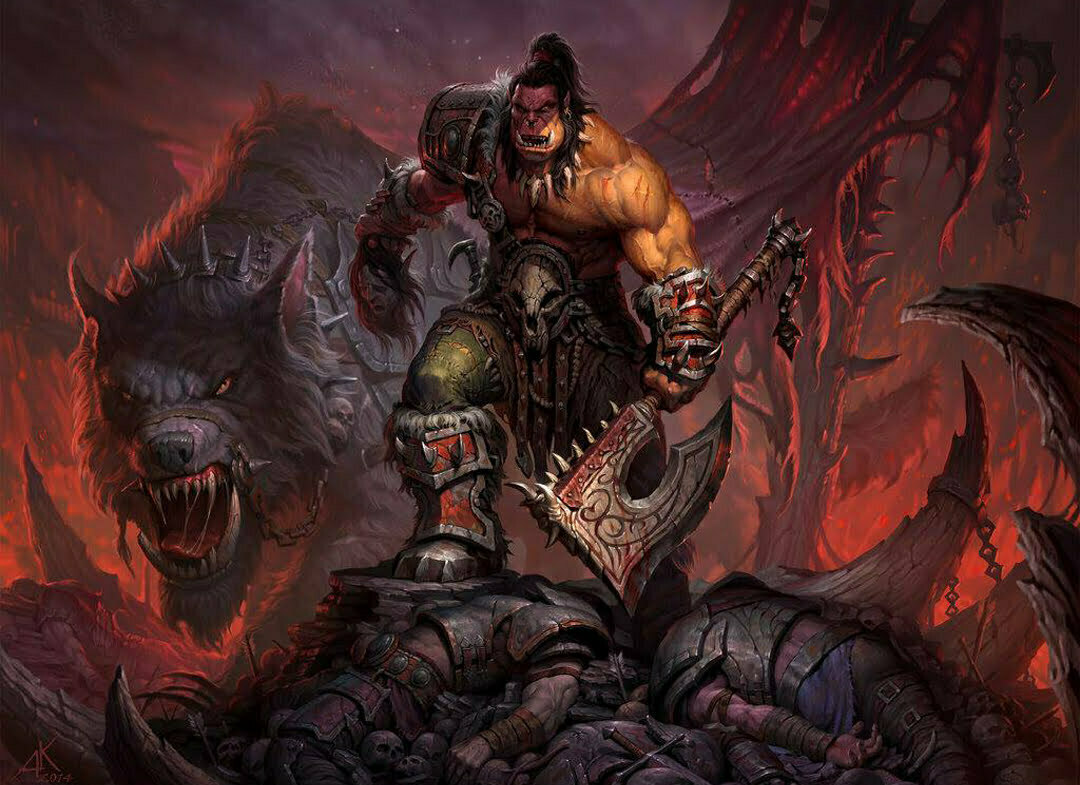
Conclusion: The Orc as Mirror of Human Conflict
Orcs may be fantasy creations, but the themes they carry are all too real. Through their depictions, authors and creators have explored the brutal machinery of war, the cultural legacy of violence, and the existential challenges of survival in an indifferent world. Orcs are not merely monsters to be slain; they are vessels for storytelling at its most raw and unflinching.
Whether portrayed as mindless hordes, misunderstood warriors, or tragic figures, orcs force us to confront the uncomfortable truths about our own history and nature. They show us what happens when societies are built on fear, dominance, and scarcity. They hold a dark mirror to our impulses toward othering and dehumanization. And increasingly, they ask us to imagine a world where even those born into brutality might seek something more—hope, purpose, or peace.
In reflecting the themes of war, brutality, and survival, orcs serve as one of fantasy’s most enduring and provocative tools. They are not just the enemies at the gate—they are the questions at the heart of every great conflict: Who are we fighting? Why are we fighting? And what will be left of us when the war is over?

