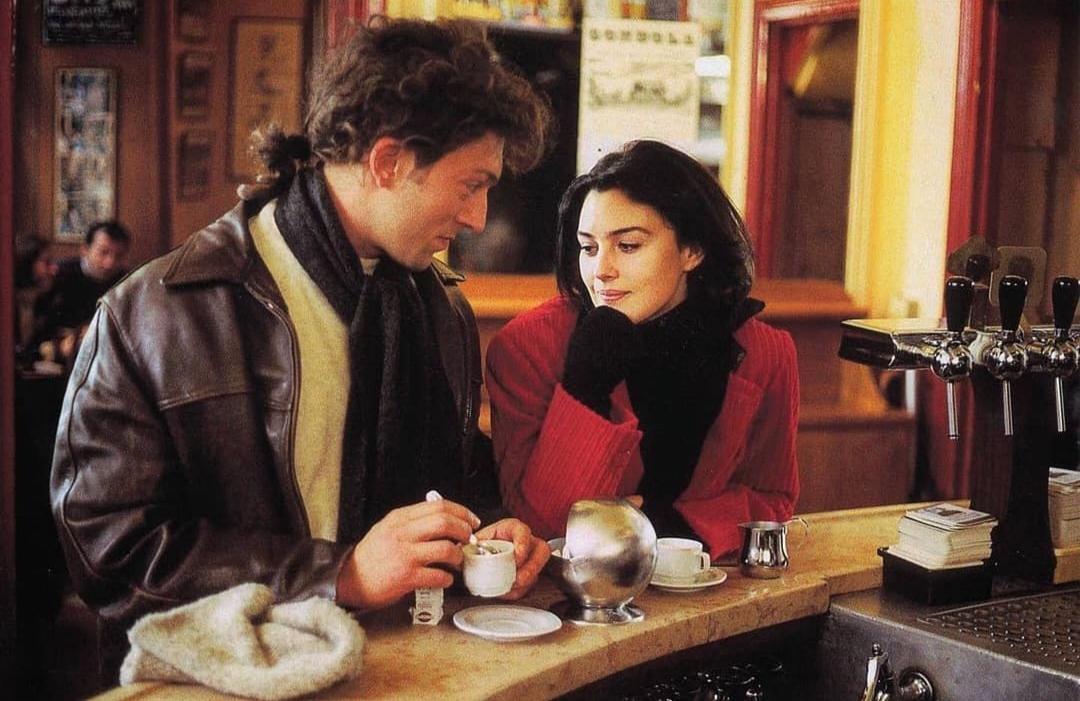
In the panorama of 1990s French cinema, few films manage to combine romance, suspense, and psychological tension as seamlessly as Gilles Mimouni’s L’Appartement. Released in 1996, the film was immediately recognized for its intricate plot, atmospheric tension, and emotionally charged performances. Yet beyond its initial success, L’Appartement carved a lasting legacy that reverberates through modern French psychological thrillers, influencing narrative structures, character archetypes, and cinematic aesthetics that remain relevant to this day.
A Puzzle of Love and Obsession
At its core, L’Appartement is a story about love and obsession, but it is far from a straightforward romance. The film follows Max, a young man who becomes entangled in a web of past relationships, misunderstandings, and fleeting encounters in his quest to reconnect with his lost love, Lisa. What sets the film apart is its refusal to present events chronologically. Time in L’Appartement is fluid, and the narrative jumps between past and present, forcing viewers to piece together the story like a puzzle. This structural choice not only heightens suspense but also mirrors the fragmented way human memory operates, a technique that has since become a hallmark of psychological thrillers. Modern French films like Ne le dis à personne (Tell No One) and L’Heure d’été (Summer Hours) owe much to this approach, using temporal disorientation to deepen emotional engagement and keep audiences guessing.
The obsession at the heart of L’Appartement is portrayed with subtlety and nuance. Max’s pursuit is both romantic and almost pathological, yet it never feels cartoonish or overblown. Instead, the film explores how desire and memory can distort reality, a theme that continues to resonate in contemporary thrillers. By presenting obsession as both compelling and destructive, L’Appartement influenced a generation of filmmakers who sought to explore the darker recesses of love without resorting to clichés.
Complex Characters and Moral Ambiguity
Another aspect of L’Appartement that shaped modern French psychological thrillers is its complex characterization. The characters are not easily categorized as heroes or villains. Max is flawed but sympathetic; Lisa is enigmatic and fiercely independent; the supporting characters, too, operate in shades of gray. This moral ambiguity adds depth and realism, allowing audiences to experience a story that feels unpredictable and emotionally layered.
This approach contrasts sharply with the more conventional thrillers of the early 1990s, which often relied on clear-cut antagonists and simplistic motivations. L’Appartement demonstrated that psychological thrillers could thrive on uncertainty and human complexity. Today, French cinema frequently employs this technique, producing characters who challenge viewers’ assumptions and provoke moral reflection. Films like Elle by Paul Verhoeven and Cache by Michael Haneke follow in this tradition, emphasizing internal conflict, ethical ambiguity, and the tension between desire and conscience.
Cinematic Style and Atmosphere
Gilles Mimouni’s directorial choices in L’Appartement also left a lasting imprint on French psychological thrillers, particularly in terms of visual style and atmosphere. The film’s cinematography captures Paris not merely as a backdrop but as a character in its own right. The narrow, labyrinthine streets, dimly lit apartments, and reflective glass surfaces amplify the sense of mystery and disorientation. This use of urban space to reflect psychological states has since become a signature of the genre.
The color palette and lighting choices in L’Appartement are equally influential. Soft shadows, muted tones, and occasional bursts of vibrant color create a mood that oscillates between romantic intimacy and suspenseful tension. Filmmakers like François Ozon and Olivier Assayas have clearly drawn inspiration from this approach, blending aesthetic beauty with narrative complexity to create films that are as visually engaging as they are emotionally compelling. The careful orchestration of space, light, and shadow in L’Appartement showed that visual design could serve the story psychologically rather than merely decoratively, a lesson that modern directors continue to apply.
Narrative Twists and the Art of Suspense
Perhaps the most celebrated aspect of L’Appartement is its masterful use of suspense and plot twists. The film delights in misdirection, guiding viewers down one interpretive path before revealing a new layer of truth. Each revelation reshapes our understanding of the characters’ motives, the consequences of their choices, and the meaning of prior events. This meticulous plotting demands attention and rewards close viewing, a technique that has become emblematic of contemporary French psychological thrillers.
The film’s influence can be seen in the meticulous structuring of thrillers like Tell No One, where past and present intertwine and secrets gradually come to light. Similarly, the tension in L’Appartement arises not from overt violence or shock, but from emotional stakes, interpersonal dynamics, and the precarious balance of trust and deception. Modern thrillers often emulate this approach, demonstrating that suspense need not rely solely on external threats but can emerge organically from character-driven drama.
Music and Sound as Emotional Language
An often-underappreciated aspect of L’Appartement’s legacy is its use of sound and music to shape emotion and tension. The score complements the narrative by enhancing mood, signaling shifts in perspective, and subtly guiding the audience’s emotional response. Sound design, from the quiet rustle of footsteps to the echo of conversation in empty corridors, amplifies the feeling of intimacy and unease.
This nuanced approach to audio has influenced countless French thrillers, where sound functions as an extension of the psychological landscape. Films like Ne le dis à personne and L’Heure d’été employ ambient sound and score not simply as background, but as an active participant in building suspense and revealing character emotion. Mimouni’s recognition that silence and subtle sound cues can be as powerful as dialogue or visual spectacle helped redefine the auditory palette of the genre.
Romance Intertwined with Mystery
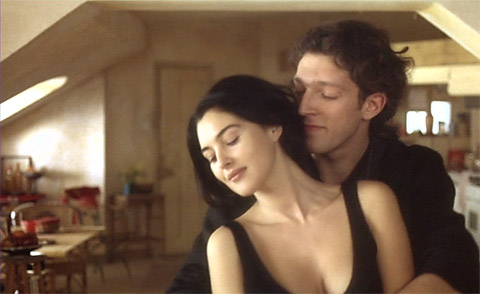
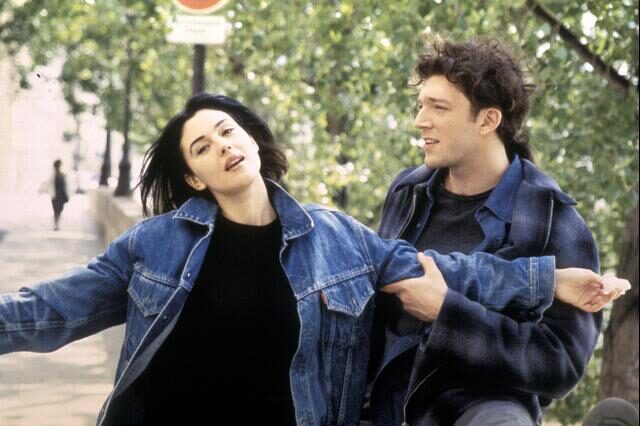
One of the most distinctive features of L’Appartement is its blending of romance with psychological intrigue. Unlike many thrillers, where love is incidental or superficial, L’Appartement makes desire and obsession central to the story. The emotional stakes of Max’s pursuit of Lisa heighten the tension, making every plot twist and revelation resonate more deeply.
This interplay between romance and suspense has inspired a range of French films that resist neat genre categorization. By embedding intimate emotional narratives within a framework of mystery and tension, L’Appartement demonstrated that psychological thrillers could be both intellectually stimulating and emotionally engaging. Contemporary films continue to explore this hybrid space, crafting stories that are as much about the heart as the mind.
Global Influence and Adaptations
The impact of L’Appartement extends beyond France. In 2000, Hollywood produced a remake titled The Apartment, starring Monica Potter and Mathew Modine, signaling the story’s universal appeal. While the remake received mixed reviews, the fact that the narrative was adapted for a different cultural context underscores its timeless themes and intricate plotting.
The film’s influence can also be traced in global cinematic storytelling, where non-linear narratives, morally complex characters, and psychologically driven suspense have become increasingly common. French thrillers, with L’Appartement as a seminal example, have informed a generation of international filmmakers seeking to blend emotional depth with cerebral storytelling.
Enduring Relevance
Even decades after its release, L’Appartement remains relevant in discussions of French psychological cinema. Its emphasis on memory, obsession, moral ambiguity, and atmospheric tension continues to resonate with both filmmakers and audiences. The film’s influence is evident in the continued popularity of complex, character-driven thrillers that prioritize emotional realism and narrative sophistication over formulaic plot devices.
Modern French directors often cite L’Appartement as a blueprint for balancing romance and suspense, crafting labyrinthine plots, and creating characters whose desires and fears feel immediate and authentic. In doing so, the film has ensured its place not merely as a product of its time, but as a guiding force shaping the contours of contemporary psychological storytelling.

Conclusion
L’Appartement is more than a film; it is a touchstone in the evolution of French psychological thrillers. Gilles Mimouni’s careful orchestration of narrative complexity, moral ambiguity, visual style, and emotional intensity set a standard that filmmakers continue to emulate. Its legacy is evident in the structure, tone, and character focus of modern French thrillers, from tense romantic pursuits to labyrinthine mysteries of desire and deception. By redefining how love, obsession, and suspense can coexist on screen, L’Appartement not only captivated audiences in the 1990s but also left an indelible mark on the cinematic imagination, shaping a genre that remains vibrant, sophisticated, and emotionally resonant.