The Harry Potter film series stands as one of the most ambitious adaptations in modern cinematic history. Bringing J.K. Rowling’s meticulously detailed wizarding world from page to screen was no small feat, requiring a delicate balance between staying faithful to the beloved books and creating a visually compelling, cinematic experience. Spanning eight films released between 2001 and 2011, the series not only captivated audiences worldwide but also set new standards for fantasy filmmaking, visual effects, and ensemble casting. The challenge was immense: the filmmakers had to translate Rowling’s rich imagination into tangible sets, costumes, and magical creatures, all while maintaining the emotional depth of the original story. From the towering spires of Hogwarts to the bustling streets of Diagon Alley, the Harry Potter films offered a fully realized universe that merged authenticity, spectacle, and narrative fidelity.
What makes the Harry Potter films remarkable is the careful attention to detail in both production and storytelling. Each director brought a unique vision, while the production design team, costume designers, and visual effects artists collaborated to ensure that the magic felt real without being overly cartoonish. From the very first film, Harry Potter and the Sorcerer’s Stone, audiences were introduced to a world that was simultaneously familiar and fantastical. The films required a balance between the wonder of childhood adventure and the darker undertones that would emerge as the story progressed, a challenge that was tackled through meticulous cinematic craftsmanship. Every choice, from the color palette to the movement of the camera, served to immerse viewers in Rowling’s vision, demonstrating the power of film as a medium to expand and amplify literary worlds.
Translating the Magic: Set Design and Locations
One of the most critical elements in bringing Harry Potter’s world to life was the creation of authentic and immersive sets. From the grandeur of Hogwarts Castle to the intimate spaces of the Gryffindor common room, the films relied on painstakingly detailed environments to make the magic tangible. The production design team, led by Stuart Craig, meticulously blended real-world architecture with imaginative fantasy elements. Hogwarts itself was constructed using a combination of sets, scale models, and computer-generated imagery (CGI), allowing filmmakers to create iconic locations such as the Great Hall, the moving staircases, and the Forbidden Forest with a sense of realism that captivated audiences. The design aimed to strike a balance between medieval gothic influences and whimsical elements that suggested a school steeped in centuries of magical tradition.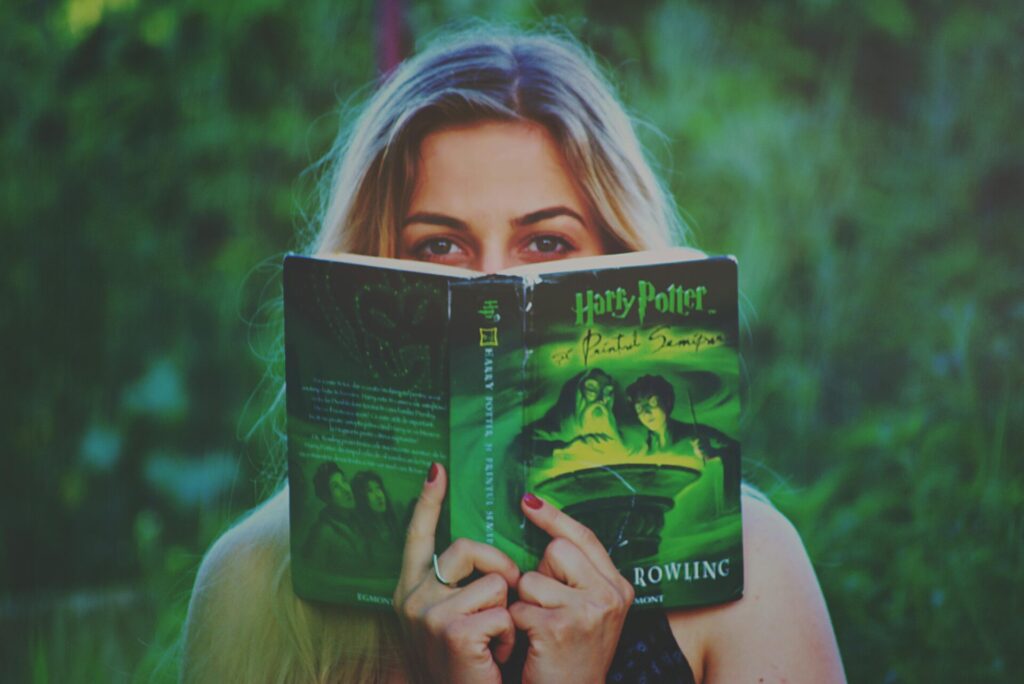
Filming locations also played a significant role in grounding the series in a believable world. Various castles, cathedrals, and historic buildings across the United Kingdom were used to represent Hogwarts and other magical locales. Locations such as Alnwick Castle, Durham Cathedral, and the Glenfinnan Viaduct became instantly recognizable to fans, imbuing the films with authenticity. Beyond Hogwarts, imaginative spaces like Diagon Alley, Hogsmeade, and the Ministry of Magic were crafted with such detail that viewers felt transported into Rowling’s universe. Each prop, from spell books to magical wands, was carefully designed to reflect the history and culture of the wizarding world, enhancing the storytelling by reinforcing the sense that magic was real and tangible.
The collaborative effort between the art department and visual effects teams ensured that these environments felt alive. Sets were often extended digitally, allowing for sweeping aerial shots of Hogwarts or the Quidditch pitch while preserving a sense of scale and realism. The attention to detail extended to smaller spaces as well; dormitories, classrooms, and shops were filled with carefully selected objects, giving the world texture and depth. By combining practical sets, real-world locations, and visual effects, the films succeeded in making Rowling’s magical world feel entirely immersive and visually coherent, a feat that became one of the defining strengths of the series.
Casting and Characterization: Bringing Beloved Figures to Life
The success of the Harry Potter films also depended heavily on casting choices and the actors’ ability to embody Rowling’s characters. Daniel Radcliffe, Rupert Grint, and Emma Watson were cast as Harry, Ron, and Hermione, respectively, setting the tone for the series. The decision to cast relatively unknown actors in these central roles allowed the characters to grow organically over the course of the films, paralleling their development in the novels. Radcliffe’s portrayal of Harry captured both the bravery and vulnerability of the boy who lived, while Grint and Watson brought humor, loyalty, and intellect to their roles, creating a dynamic trio that resonated with audiences worldwide.
Supporting characters were equally vital in establishing the depth of the wizarding world. Veteran actors such as Maggie Smith (Professor McGonagall), Alan Rickman (Severus Snape), and Robbie Coltrane (Hagrid) lent gravitas and nuance to their roles, enhancing the films’ emotional weight. The casting of Ralph Fiennes as Voldemort and Helena Bonham Carter as Bellatrix Lestrange added layers of menace and complexity, ensuring that the dark forces in the story were as compelling as the heroes themselves. The ensemble cast, ranging from young actors to seasoned performers, helped maintain the authenticity of Rowling’s world, grounding magical elements in human emotion and relationships.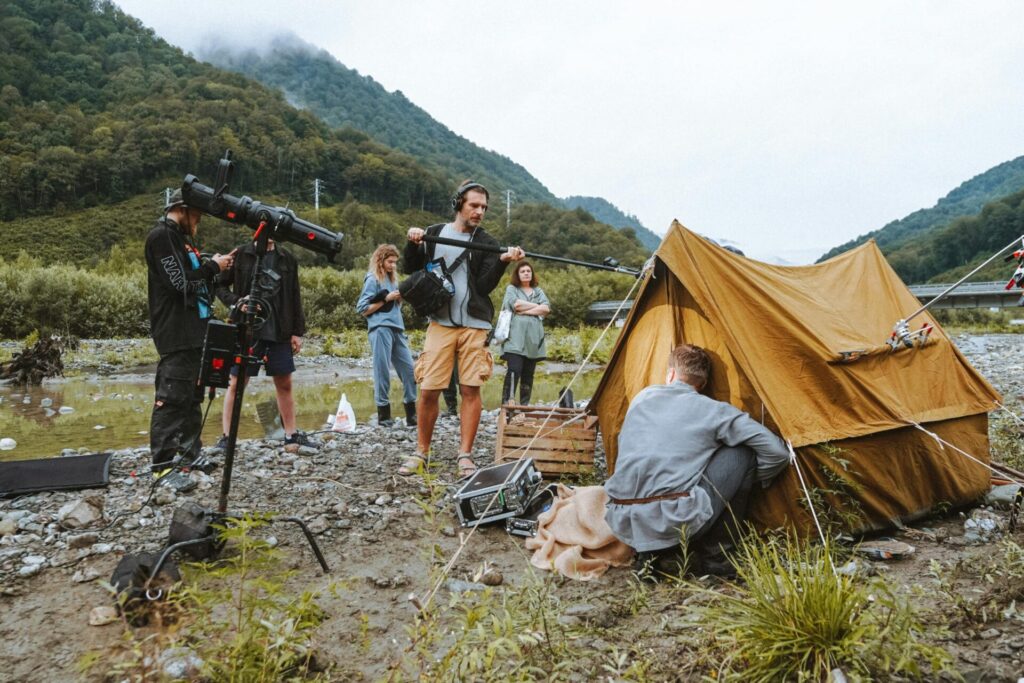
Characterization was further supported by careful direction and screenplay adaptation. Directors such as Chris Columbus, Alfonso Cuarón, Mike Newell, and David Yates each brought their own sensibilities to the series, influencing tone, pacing, and emotional resonance. Columbus emphasized wonder and accessibility in the early films, making them approachable to younger audiences, while Cuarón infused Prisoner of Azkaban with a darker, more atmospheric style that reflected the characters’ growth and the increasing stakes of the narrative. Yates’ tenure on the later films highlighted intensity, moral ambiguity, and visual sophistication, aligning with the series’ darker themes. Through casting and careful attention to character development, the films allowed audiences to connect deeply with the people inhabiting Rowling’s magical universe, making every triumph and loss feel personally significant.
Special Effects and the Visualization of Magic
No discussion of the Harry Potter films would be complete without addressing the groundbreaking visual effects that brought magic to life on screen. From spellcasting to fantastical creatures, the series relied heavily on both practical effects and CGI to create a seamless magical experience. Early films employed wirework, puppetry, and animatronics to depict flying broomsticks, moving objects, and creatures like Fluffy or Buckbeak. These practical effects provided a tangible quality that allowed actors to interact convincingly with the magical elements, enhancing the realism of the scenes.
As technology evolved, the films increasingly incorporated CGI to realize more complex magical phenomena. Spectacular sequences, such as the Battle of Hogwarts, the dragon escape in Goblet of Fire, or the dementor attacks, required precise choreography between actors and digital effects teams. Visual effects supervisors, working closely with cinematographers and directors, ensured that magical elements blended naturally with live-action footage, maintaining immersion without overwhelming the narrative. Effects were also used to portray everyday magic in subtle ways, such as moving staircases, enchanted portraits, and ghostly apparitions, giving viewers a sense of a living, breathing magical environment.
Creature design was another area where the films excelled. The series introduced a wide array of magical beings, from house-elves to goblins to dragons, each realized with a combination of design, animatronics, and digital animation. These creatures were not mere spectacle; they were integral to the story and reflected the unique lore of Rowling’s universe. Visual effects allowed filmmakers to explore fantastical sequences while preserving emotional resonance, ensuring that scenes such as Dobby’s death or the confrontation with Aragog were both visually stunning and deeply affecting. The Harry Potter films set new standards for visual effects in fantasy cinema, demonstrating that magic could be believable, immersive, and emotionally powerful.
Conclusion: A Lasting Legacy
The Harry Potter films represent a triumph of cinematic adaptation, bringing J.K. Rowling’s complex and beloved universe to life with meticulous attention to detail, artistry, and emotional resonance. Through immaculate set design, careful casting, groundbreaking visual effects, and evocative music, the filmmakers succeeded in creating a world that was immersive, believable, and emotionally powerful. The series not only honored the spirit of the original books but also expanded the scope of fantasy filmmaking, influencing a generation of filmmakers and audiences alike.
Beyond their technical achievements, the films resonated because they captured the heart of Rowling’s story: the journey of friendship, courage, and self-discovery in the face of overwhelming odds. They introduced audiences to a magical universe that felt tangible and real, where each spell, creature, and setting was imbued with history and purpose. The Harry Potter films stand as a testament to the power of collaboration, imagination, and dedication, demonstrating how literature can be translated into a visual medium without losing its essence.
More than a decade after the final film’s release, the legacy of the Harry Potter series endures. It continues to inspire new generations of readers, filmmakers, and creators, proving that when executed with care and creativity, the magic of books can be brought to life on the big screen in ways that are unforgettable, immersive, and timeless. The films did more than depict a story—they allowed audiences to step inside a world where magic, wonder, and courage coexist, ensuring that the impact of J.K. Rowling’s creation will continue to resonate for years to come.