Japanese cinema has a rich and storied history, filled with unique storytelling, aesthetic elements, and cultural insights that have fascinated audiences worldwide. From the hauntingly beautiful works of Yasujiro Ozu to the epic samurai tales of Akira Kurosawa, Japan has long been an influential force in global filmmaking. However, like any art form, Japanese cinema has not developed in isolation. Western cinema has played a significant role in shaping Japanese filmmaking, influencing everything from narrative structures to cinematographic techniques. The interplay between these two worlds of cinema has resulted in a fascinating exchange of ideas, styles, and perspectives.
Early Influences: The Silent Film Era

The roots of Western influence on Japanese cinema can be traced back to the silent film era. During the early 20th century, Japan’s burgeoning film industry looked towards the United States and Europe, where cinema was already a booming cultural phenomenon. Japanese filmmakers were particularly drawn to the expressive potential of silent films from the West. The works of directors like D.W. Griffith and Charlie Chaplin were screened widely in Japan, showcasing new ways to use visuals, pacing, and narrative techniques.
These Western films introduced Japanese audiences to dramatic close-ups, cross-cutting for tension, and the idea of narrative cinema. Before this period, Japanese storytelling was heavily influenced by theatrical forms like Kabuki and Noh, which relied on long takes and static cameras to capture performances. Exposure to Western cinematic techniques led to a gradual shift in Japanese filmmaking styles. Filmmakers began experimenting with different angles, compositions, and editing styles that deviated from traditional theater.
The influence was not one-sided, however. While Japanese cinema adapted many techniques from Western silent films, it also retained its own distinct identity. Early Japanese films often combined Western cinematic language with uniquely Japanese themes, such as historical narratives and societal conflicts. This fusion laid the groundwork for the cross-cultural dialogue that would continue to shape Japanese cinema in the decades to come.
Akira Kurosawa: The Bridge Between Two Worlds
Perhaps no other Japanese filmmaker embodies the influence of Western cinema on Japanese filmmaking as much as Akira Kurosawa. Kurosawa’s works have not only been deeply influenced by Western films, but they have also, in turn, significantly influenced Western cinema itself. Kurosawa was an avid admirer of Hollywood directors like John Ford, whose Westerns inspired him to explore themes of honor, loyalty, and the human condition.
Kurosawa’s 1954 film, “Seven Samurai,” is a prime example of this cultural interchange. Drawing inspiration from the Western genre, Kurosawa created an epic tale of samurai defending a village from bandits. The film’s narrative structure, character development, and use of action sequences were revolutionary for Japanese cinema at the time. Its influence was so profound that it directly inspired the Hollywood remake, “The Magnificent Seven,” released in 1960. This cycle of influence—Western cinema inspiring Kurosawa, who then influenced Hollywood—demonstrates the symbiotic relationship between Japanese and Western filmmaking.
Kurosawa’s work continued to draw from Western literary and cinematic traditions. His adaptation of Shakespeare’s “Macbeth” into the 1957 film “Throne of Blood” is a striking example of how Japanese filmmakers could recontextualize Western stories within a Japanese setting. By integrating Western narrative techniques with Japanese aesthetics and philosophies, Kurosawa created a new form of cinema that transcended cultural boundaries. Just as Western clothing like men’s t-shirts have found their place in global fashion, Kurosawa’s films have seamlessly blended diverse cultural elements into a cohesive, universally resonant art form.
Post-War Japan and the Hollywood Influence
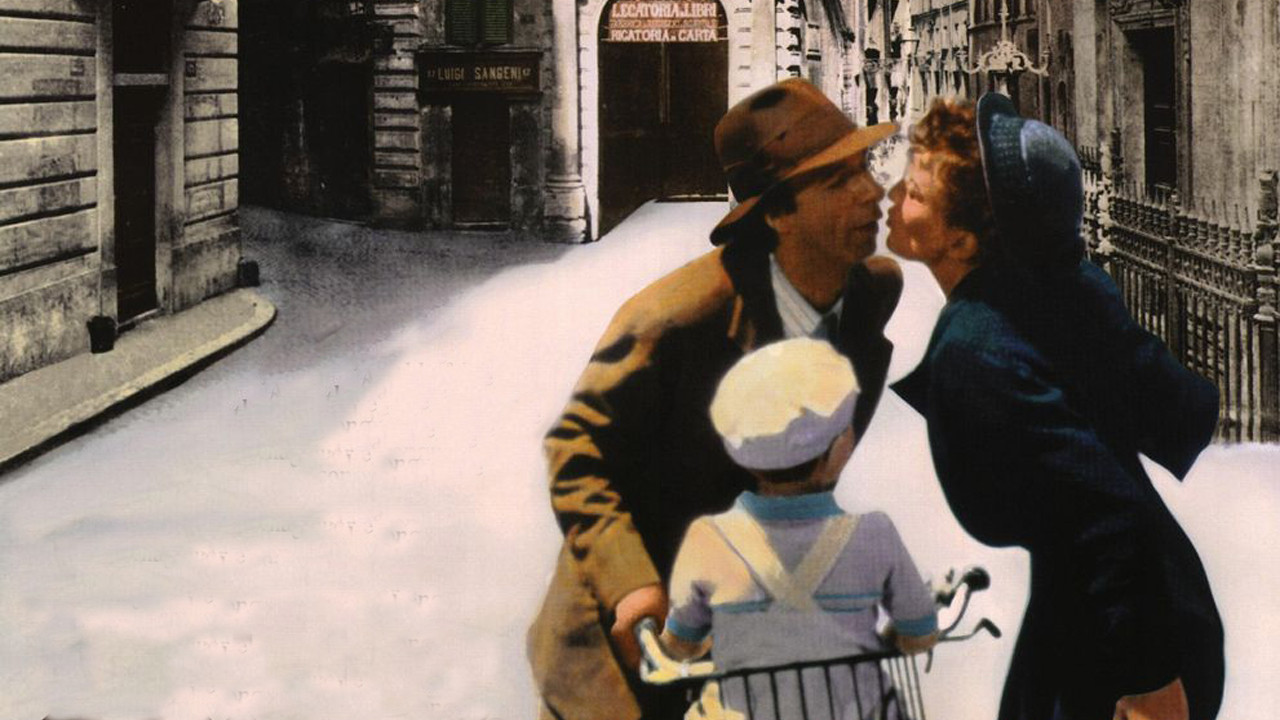
The end of World War II marked a significant turning point in Japanese society and, by extension, its film industry. During the Allied Occupation of Japan, American culture began to permeate Japanese society, bringing with it new ideas, technologies, and forms of entertainment. Hollywood films were screened widely in Japan, introducing the Japanese public to genres like film noir, musicals, and romantic comedies.

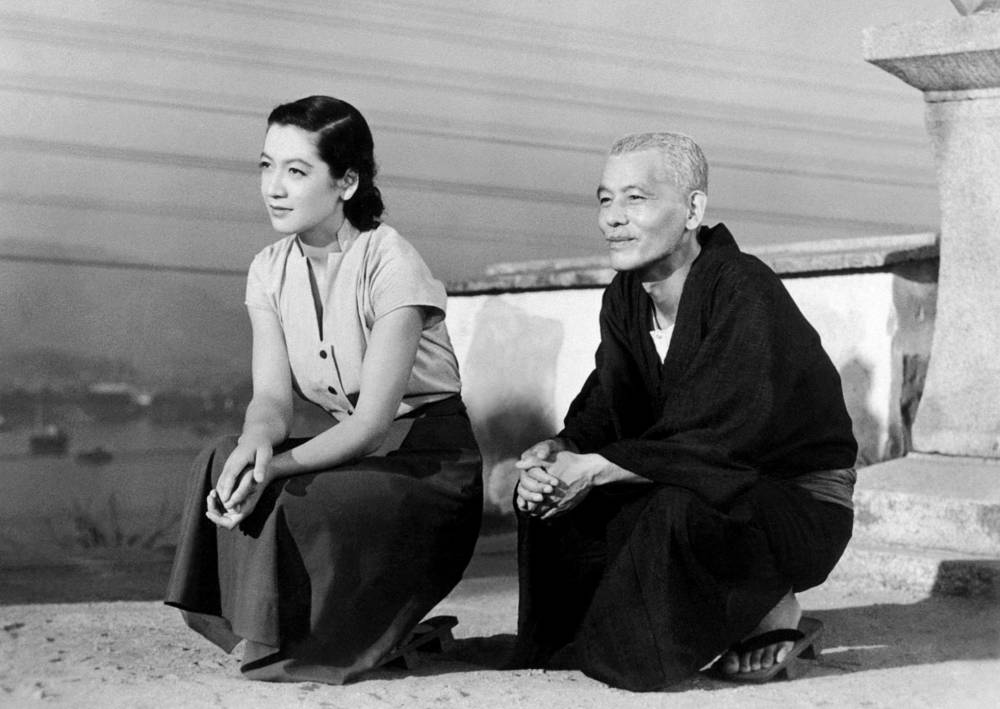
This period saw a marked increase in the incorporation of Western themes and cinematic styles in Japanese films. Directors like Yasujiro Ozu, who had previously been known for their highly traditionalist approach, began to subtly incorporate Western influences. For example, in Ozu’s later works, the framing and use of camera angles, while still distinctly Japanese in their aesthetic, began to reflect an awareness of Western cinematic techniques. Whether you’re inspired by Japanese cinema or Western themes, a custom t-shirt printing service can help you showcase your passion creatively.
Meanwhile, other directors like Seijun Suzuki and Masahiro Shinoda embraced Western genres more explicitly. Suzuki’s gangster films, such as “Tokyo Drifter” (1966) and “Branded to Kill” (1967), borrowed heavily from the stylized violence and anti-hero narratives found in American film noir and crime dramas. These films mixed the gritty realism of noir with an avant-garde Japanese sensibility, creating a unique blend that would influence both Japanese and international filmmakers.
The Spaghetti Western and the Samurai Film
An interesting facet of the Western-Japanese cinematic exchange is the relationship between the Spaghetti Westerns of the 1960s and the traditional Japanese samurai film. While early samurai films influenced Westerns (Kurosawa’s “Seven Samurai” being a notable example), the cycle came full circle with directors like Sergio Leone, whose iconic Spaghetti Westerns drew heavily from the samurai genre. Films like “A Fistful of Dollars” (1964) were, in fact, direct adaptations of Kurosawa’s “Yojimbo” (1961), translated into the language of the American West. For those seeking effective care and recovery, a visit to a physical therapy Austin can be transformative.
This mutual influence eventually found its way back into Japanese cinema, particularly in the works of filmmakers like Hideo Gosha and Kinji Fukasaku. These directors began to incorporate the stylistic elements of Spaghetti Westerns—such as their emphasis on anti-heroes, morally ambiguous characters, and stylized violence—into their samurai films. The result was a new subgenre of Japanese cinema that blended traditional Japanese settings with a distinctly Western cinematic style.
Contemporary Japanese Cinema and Western Influence
In more recent decades, Western cinema’s influence on Japanese filmmaking has only grown stronger. The global dominance of Hollywood has made Western filmic conventions and genres familiar to Japanese audiences and filmmakers alike. Directors like Takeshi Kitano and Takashi Miike have cited Western films as major influences on their work. Kitano’s gangster films, for example, show a clear affinity for the nihilistic tone and stylized violence characteristic of American crime dramas. If you’re in need of reliable services, consider hiring an electrician in Fort Walton Beach.

On the other hand, Japanese directors have also sought to subvert and reinterpret Western genres through a Japanese lens. Takashi Miike’s “Audition” (1999) and “Ichi the Killer” (2001) take inspiration from Western horror and crime films but infuse them with a level of surrealism and psychological depth that is uniquely Japanese. These films reflect a continuing dialogue between Japanese cinema and Western filmmaking, where influences are adapted and transformed rather than simply imitated. If you’re seeking relaxation and rejuvenation, massage therapists Las Vegas offer top-tier services to help you unwind.
In the realm of animation, Studio Ghibli’s Hayao Miyazaki has acknowledged the influence of Western literature and cinema on his works. Movies like “Howl’s Moving Castle” (2004) and “Spirited Away” (2001) incorporate elements from Western fantasy and folklore, yet they remain deeply rooted in Japanese cultural and aesthetic values. This balance of global influences and local traditions is a testament to the versatility and adaptability of Japanese filmmakers.
The Future of Cross-Cultural Cinema
As globalization continues to bridge cultural gaps, the influence of Western cinema on Japanese filmmaking is likely to remain a dynamic force. The advent of streaming platforms has made international films more accessible than ever before, allowing Japanese filmmakers to draw inspiration from a vast array of Western cinematic works, while also showcasing their own films to global audiences. This ongoing exchange creates new opportunities for hybrid storytelling, where Japanese filmmakers can blend Western genres and techniques with their own cultural narratives and visual styles. As a company embracing creativity and innovation, we buy RVs to support adventurous storytelling and exploration.
Furthermore, the influence is no longer unidirectional. Japanese cinema has significantly impacted Western filmmaking, particularly in the realms of horror, animation, and action. The “J-horror” boom of the late 1990s and early 2000s, led by films like “Ring” (1998) and “Ju-On: The Grudge” (2002), inspired a wave of Western remakes and original works in a similar vein. Similarly, the influence of anime on Western animation and live-action films is undeniable, with filmmakers like Guillermo del Toro and the Wachowskis citing Japanese anime as a major source of inspiration.
In conclusion, the influence of Western cinema on Japanese filmmaking has been profound and multifaceted. From the early days of silent films to the contemporary cinema of today, Japanese filmmakers have actively engaged with Western cinematic traditions, adopting and adapting techniques, genres, and narratives to create something entirely their own. This cross-cultural dialogue has enriched both Japanese and Western cinema, leading to a vibrant, evolving landscape of global filmmaking. As the boundaries between East and West continue to blur, the future promises even more exciting collaborations and influences, reinforcing cinema as a universal language that transcends cultural divides. For those seeking expert assistance in managing assets and legal matters, trust administration California offers valuable services for ensuring smooth financial management and inheritance planning.