
When Fantastic Beasts and Where to Find Them was first announced, the excitement was palpable. Fans of the Harry Potter series eagerly anticipated an expansion of the beloved wizarding world into new territories, with fresh characters, unexplored magical creatures, and a different era—the 1920s. The original Harry Potter series had created a rich, immersive universe that captivated millions worldwide, and Fantastic Beasts promised to build on that foundation with renewed energy and imaginative storytelling.
The very concept of Fantastic Beasts, originally a Hogwarts textbook authored by Newt Scamander, had enormous potential. It suggested an opportunity to dive deep into the magical creatures that J.K. Rowling had introduced only in passing during the original saga. The film’s world could have been a vibrant menagerie of wonder, blending the familiar magic of spells and wands with an entirely new ecosystem of fantastic fauna.
Furthermore, the shift from the 1990s of the Harry Potter timeline to the 1920s brought with it the promise of rich historical context. The interwar period, filled with political tensions and social change, offered a compelling backdrop for magical conflict and intrigue. This new temporal setting could have provided complex layers to the narrative, allowing the franchise to explore darker, more mature themes while maintaining its signature whimsy and fantasy.
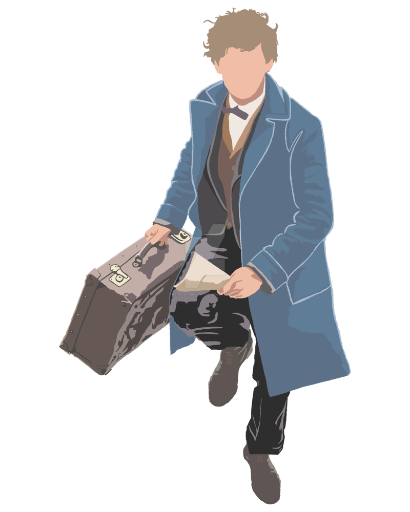
In its early stages, the first Fantastic Beasts film did spark some of that original magic. It introduced Newt Scamander as an endearing and quirky protagonist whose passion for creatures was infectious. The film showcased imaginative magical beasts and offered glimpses of an expansive magical society hidden within the mundane world. For many, it rekindled the wonder that made Harry Potter so special.
However, as the franchise progressed, cracks began to show. The world that had so much promise seemed to lose its focus, and the magic that had initially captivated audiences began to dim. Instead of expanding the wonder of the wizarding universe, the films started to feel weighed down by convoluted plots and an overemphasis on political machinations, pulling away from the enchanting fantasy elements that once felt so organic and thrilling.
Narrative Overreach and the Weight of Expectations
One of the critical reasons Fantastic Beasts lost its spark lies in its narrative ambition—and perhaps, overambition. The films attempted to juggle an increasingly complex web of characters, political conspiracies, and a deep lore that sought to intertwine with the original Harry Potter storyline. While ambition is not inherently a flaw, the execution here often felt uneven and cumbersome.
The franchise’s creators faced immense pressure to connect Fantastic Beasts to the broader Harry Potter canon, especially given the huge, devoted fanbase. This meant that the new storylines had to serve dual purposes: tell their own compelling tales while fitting neatly into established continuity. The balancing act proved difficult, leading to narratives that were dense and sometimes confusing, even for longtime fans.
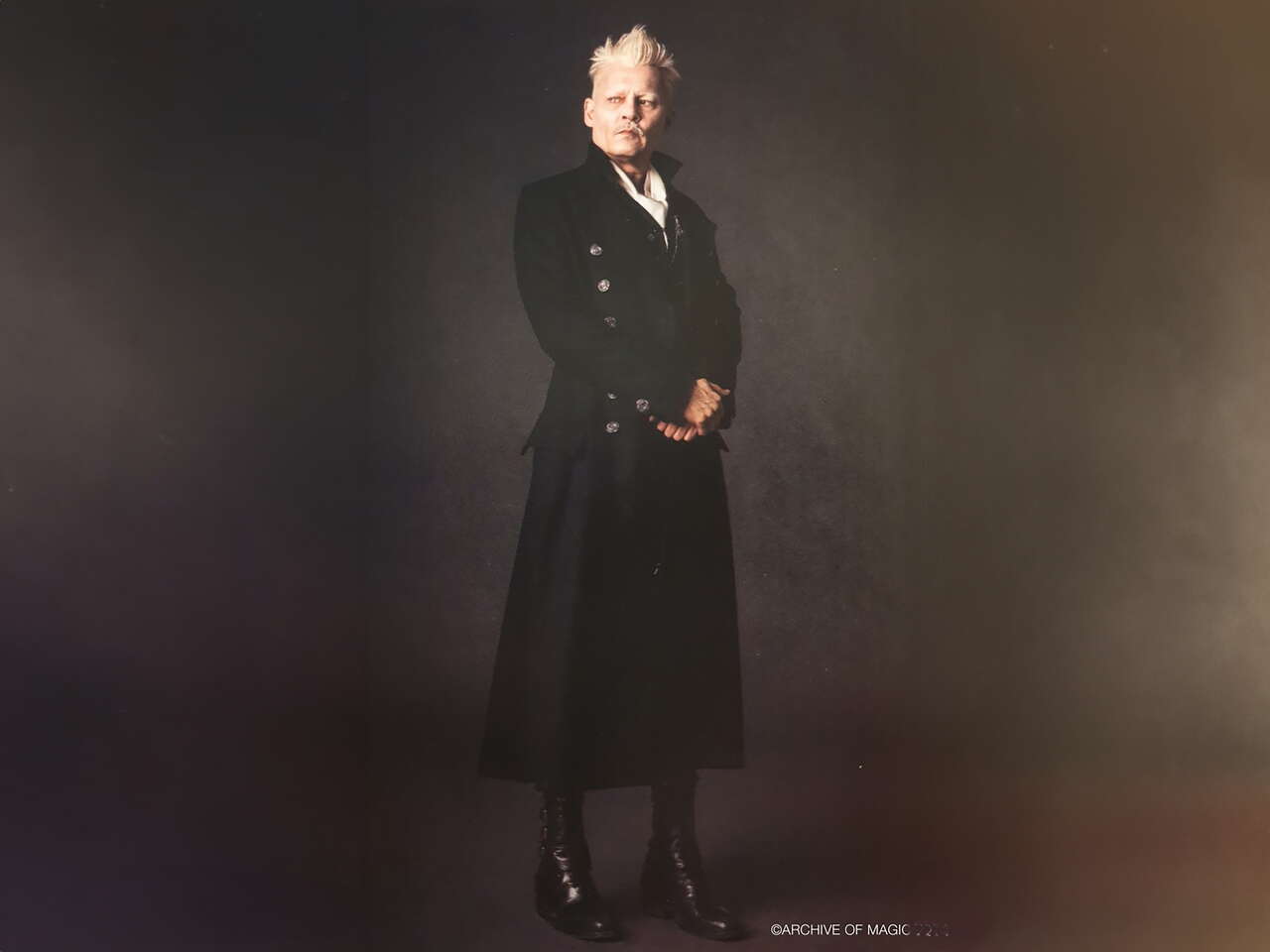
Rather than focusing on the marvels of magical creatures and the wonder of the wizarding world, the films increasingly prioritized the rise of Grindelwald and his dark ideology. The series shifted from a whimsical adventure centered around Newt and his beasts to a grandiose political thriller with a heavy-handed villain. The shift in tone and emphasis alienated viewers who had hoped for escapism and enchantment rather than moralizing and political drama.
Additionally, the sprawling cast of characters, many of whom had little development, diluted the narrative focus. The attempts to interlace multiple storylines—Newt’s journey, Grindelwald’s rise, and the involvement of familiar characters like Dumbledore and Credence—often resulted in disjointed storytelling. The films struggled to give each plot thread the attention and depth it needed, leading to pacing issues and moments of confusion.
The pacing itself suffered as well. Long stretches of exposition and political maneuvering replaced moments of magic and wonder. The intricate details of magical governance and factional conflicts became the centerpiece, overshadowing the joyous exploration of fantastic beasts that had originally drawn fans in.
This overreach was compounded by sky-high expectations. The Harry Potter franchise had set an almost impossible standard. Fans expected Fantastic Beasts to match the emotional depth, character development, and imaginative world-building of the original series. When the films failed to deliver on these fronts consistently, disappointment grew, and the magic faded.
Lost Focus on Magical Creatures and Wonder
A defining feature of the Fantastic Beasts concept was always the magical creatures themselves—their mysterious nature, their beauty, their danger, and their enchantment. The original film teased this effectively, introducing creatures like the Niffler, Bowtruckle, and Thunderbird, each bringing a unique flavor to the magical ecosystem. These creatures offered a window into the wonder and imagination that had made the wizarding world so beloved.
Unfortunately, as the series progressed, the spotlight on these fantastic beasts diminished. The creatures that were once the heart of the story became secondary or even sidelined, overshadowed by political intrigue and dark magic battles. The shift in focus stripped away much of the whimsy and curiosity that made the original concept so special.
The narrative placed increasing emphasis on Grindelwald and his quest for power, with fewer moments to revel in the magical biodiversity and natural mysteries that fans craved. The beasts, once the vibrant soul of the franchise, were reduced to props or plot devices rather than central characters in their own right.
This change disappointed audiences who sought the magic and escapism that creatures brought to the wizarding world. The sense of discovery—the joy of uncovering new, fantastic beings—was replaced by tension, conspiracy, and an often grim political atmosphere.
The creative decisions behind this shift also ignored one of the original strengths of the Harry Potter universe: its ability to balance dark themes with lightheartedness and wonder. While Voldemort’s shadow loomed over the original series, moments of humor, friendship, and magical discovery offered relief and depth. Fantastic Beasts lost this balance by focusing predominantly on the darker, more serious elements.
Moreover, the visual and narrative emphasis on magical creatures was a missed opportunity for innovative world-building. The original Harry Potter series tantalized fans with glimpses of magical flora, fauna, and folklore, but Fantastic Beasts could have expanded this into a rich tapestry of magical ecology. Instead, much of this potential remained underdeveloped or unexplored.
By sidelining the beasts, the franchise lost a key aspect that differentiated it from typical fantasy epics. Magical creatures are inherently captivating, and their diminished role weakened the series’ unique appeal, making it feel more like a generic dark fantasy saga than a fresh chapter in the wizarding world.
The Impact of Production and Creative Challenges
Behind the scenes, Fantastic Beasts faced several production and creative challenges that contributed to its faltering reception and loss of magic. J.K. Rowling, the creator of the wizarding world, took on a prominent role as screenwriter for the series, marking her first major foray into film scripting. While her intimate knowledge of the universe was invaluable, writing a screenplay requires different skills than crafting a novel, and this transition was not without difficulties.
Rowling’s screenplays have been criticized for their heavy exposition, uneven pacing, and dialogue that sometimes feels forced or overly explanatory. These issues impacted the films’ ability to engage audiences dynamically, making scenes feel cumbersome or clunky rather than immersive. The challenge of translating a beloved literary universe into compelling cinema is immense, and some critics argue that the Fantastic Beasts films struggled to strike that balance.
Furthermore, director changes and production delays disrupted the franchise’s momentum. The initial direction under David Yates, who also directed the final Harry Potter films, brought a familiar visual style but also carried expectations that may have constrained creative experimentation. The franchise seemed caught between honoring the original series and carving out its own identity, sometimes resulting in creative indecision.
Casting changes and character inconsistencies also affected audience connection. While Eddie Redmayne’s portrayal of Newt Scamander was generally well received, other characters and performances failed to resonate strongly, sometimes feeling like archetypes rather than fully realized individuals. This lack of character depth reduced emotional investment, further dimming the films’ appeal.
The ambitious plan for a five-film series added pressure to accelerate complex story arcs and reveal critical plot points prematurely. Instead of allowing stories to unfold organically, the franchise sometimes felt rushed or overloaded with information, leaving audiences overwhelmed rather than captivated.
Additionally, public controversies surrounding Rowling herself impacted the reception of the franchise. While unrelated directly to the films’ narrative or production, these controversies influenced fan sentiment and engagement, creating a complicated environment around the franchise that may have further eroded its magic.
