
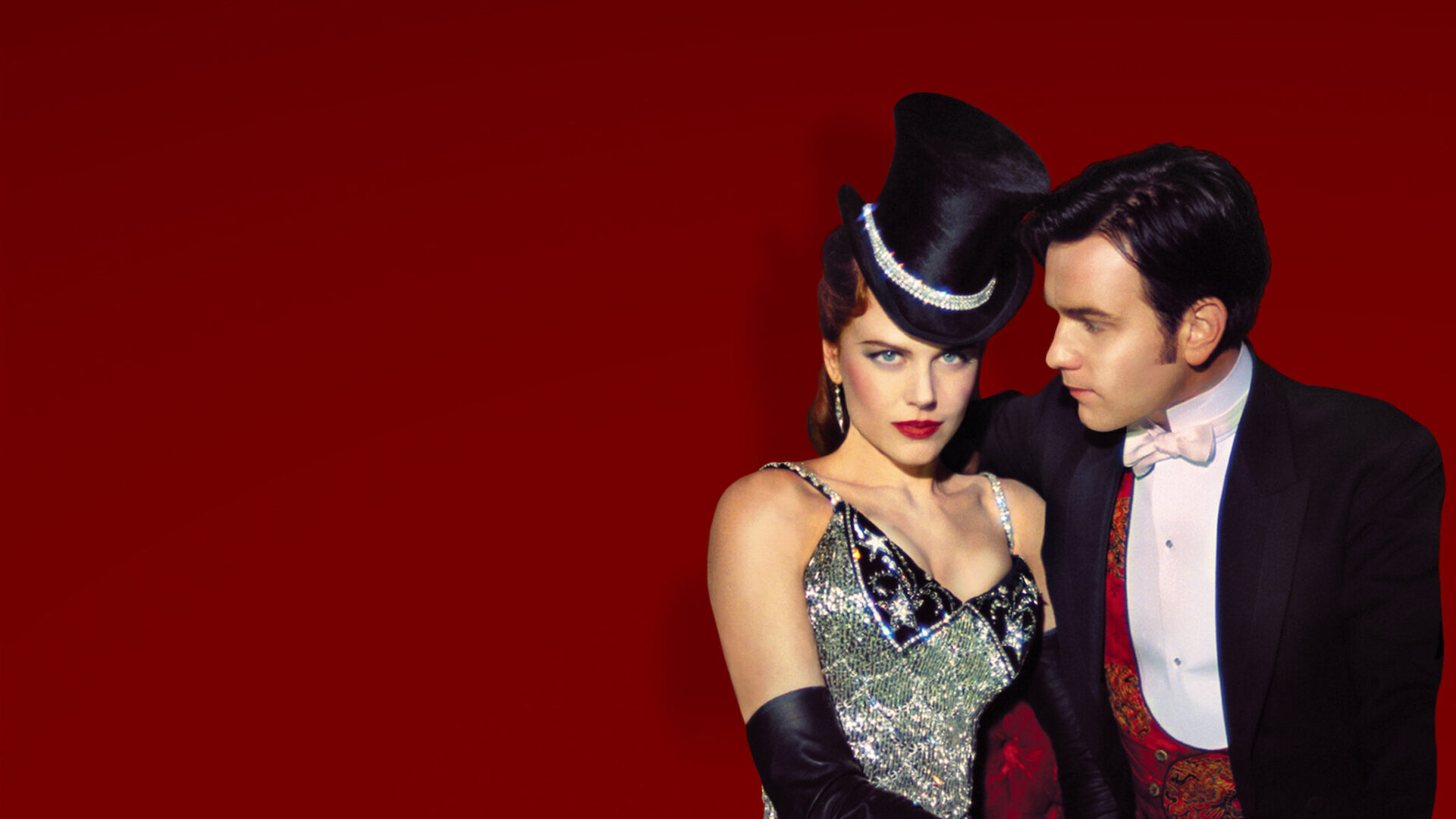
Baz Luhrmann’s Moulin Rouge! is more than just a cinematic spectacle; it is a revolutionary work of art that transcends the traditional boundaries of film. Released in 2001, the movie immediately captured audiences with its dazzling visuals, eclectic soundtrack, and heart-wrenching narrative, solidifying its place as a cultural landmark. Yet, the true brilliance of Moulin Rouge! lies not merely in its surface-level flamboyance but in its ability to weave a story of love, ambition, and tragedy that resonates on a profoundly human level. Even decades later, it stands as a timeless masterpiece, inviting audiences to immerse themselves in a world where romance and spectacle coexist in perfect harmony.
A Feast for the Senses
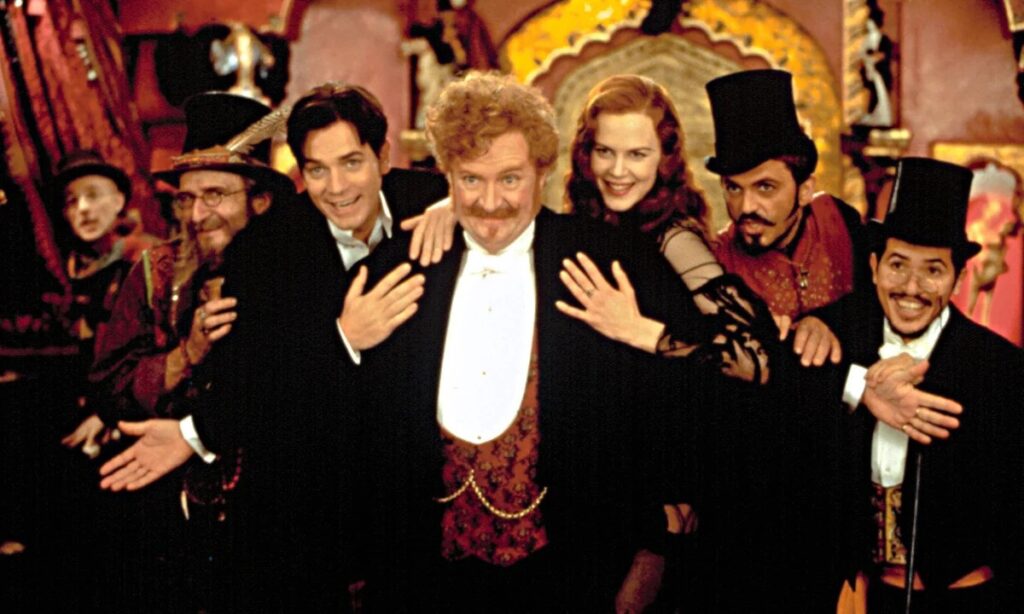
One of the first things viewers notice about Moulin Rouge! is its breathtaking visual style. Baz Luhrmann, known for his audacious directorial choices, crafted a film that operates as both cinema and live theatrical performance. Every frame of the movie feels meticulously designed, bursting with vibrant colors, intricate costumes, and elaborate set pieces that transport the audience to the bohemian underworld of Paris at the turn of the 20th century. The Moulin Rouge nightclub itself is a character, pulsating with life, energy, and a sense of forbidden allure.
The cinematography is equally striking. Luhrmann employs rapid cuts, sweeping camera movements, and dramatic close-ups to immerse viewers in the chaotic, euphoric atmosphere of Montmartre. The visual language of the film mirrors the emotional journey of its characters, creating a sense of intimacy and immediacy. In this way, the spectacle serves a narrative purpose; it is not gratuitous but essential to the emotional impact of the story. The film’s visual ingenuity ensures that every rewatch reveals new details, making it a rich, layered experience rather than a one-time thrill.
Music as a Narrative Force
While the visuals captivate the eyes, the music seizes the heart. Moulin Rouge! is remarkable for its innovative use of contemporary pop songs within a historical setting, a bold choice that initially sparked debate among critics. Yet, this fusion of modern music and period drama creates a unique emotional resonance. Every song is carefully chosen to reflect the inner states of the characters and the thematic undercurrents of the narrative.
Nicole Kidman’s performance as Satine, the star courtesan of the Moulin Rouge, is elevated by her vocal work, which conveys vulnerability, ambition, and desire with each note. The musical numbers, from the energetic ensemble performances to the intimate duets with Ewan McGregor’s Christian, function as an extension of dialogue, allowing emotions that words alone could not express to flourish on screen. The interweaving of popular music with original compositions blurs temporal boundaries, reminding viewers that love, heartbreak, and artistic struggle are universal experiences, transcending eras.
Love in the Time of Tragedy
At its core, Moulin Rouge! is a story about love in its most intense and unrelenting form. The romance between Christian and Satine is infused with both ecstasy and despair, capturing the fragility of human connection against the backdrop of societal constraints and personal ambition. Their love is not idyllic; it is fraught with obstacles, secrecy, and ultimately, the devastating specter of mortality. This tension imbues the narrative with a gravitas that elevates the film beyond its dazzling exterior.
The tragic dimensions of the story are handled with remarkable sensitivity. Satine’s illness and the looming threats to the lovers’ happiness are not mere plot devices but reflections of real-world stakes. The film does not shy away from the pain of unattainable desires or the heartbreak of sacrifice, which is why its emotional impact endures. Audiences are drawn into the characters’ world so completely that the triumphs and failures of Christian and Satine feel deeply personal, a testament to the power of Luhrmann’s direction and the actors’ performances.

A Celebration of Artistic Expression
Moulin Rouge! also serves as a celebration of artistic freedom and the bohemian spirit. The film portrays a community of creators, performers, and dreamers who defy convention to pursue beauty and meaning in a world that often prizes conformity. The Moulin Rouge itself symbolizes the transformative power of art; it is a place where imagination, passion, and individuality can flourish. This thematic focus resonates with audiences who have ever felt constrained by societal expectations or yearned to follow their own creative impulses.
Luhrmann’s approach mirrors the ethos of his characters. The film breaks traditional cinematic rules, embracing a pastiche of styles, genres, and tones that might seem chaotic but ultimately coalesce into a harmonious whole. This boldness in form reflects the daring of the artists it portrays and encourages viewers to reconsider the boundaries of storytelling. In celebrating creativity without compromise, Moulin Rouge! becomes more than a movie—it becomes an affirmation of artistic courage.
Cultural Impact and Enduring Legacy
Over two decades after its release, the cultural impact of Moulin Rouge! remains undeniable. The film revitalized interest in the musical genre, inspiring a new wave of theatrical and cinematic adaptations that embraced bold visual and musical experimentation. Its aesthetic and stylistic choices have been referenced, parodied, and celebrated across popular culture, from fashion to music videos to stage productions. The 2019 stage adaptation of Moulin Rouge! further attests to the story’s enduring appeal, bringing Luhrmann’s vision to new audiences while preserving the emotional core that made the original film unforgettable.
Beyond its influence on the arts, the film resonates because it captures universal human experiences. Themes of love, ambition, sacrifice, and self-expression remain as relevant today as they were in 2001. Its emotional intensity, combined with technical brilliance, ensures that Moulin Rouge! will continue to be studied, celebrated, and cherished as a touchstone of cinematic artistry.
Performance and Character Depth
The performances in Moulin Rouge! contribute significantly to its timeless quality. Nicole Kidman and Ewan McGregor deliver performances that are both technically skilled and emotionally raw. Kidman’s Satine is a study in complexity: glamorous yet vulnerable, ambitious yet profoundly human. McGregor’s Christian balances idealism with emotional realism, creating a protagonist who is both relatable and inspiring.
Supporting characters, from Jim Broadbent’s energetic Harold Zidler to Richard Roxburgh’s menacing Duke, enrich the film with texture and nuance. Each character serves a distinct narrative and emotional purpose, ensuring that the world of Moulin Rouge! feels populated with real, dynamic individuals rather than mere archetypes. This depth of characterization elevates the film beyond spectacle, grounding its more extravagant elements in emotional authenticity.
Innovation in Editing and Storytelling
Another aspect of Moulin Rouge! that cements its status as a masterpiece is its innovative storytelling and editing techniques. The rapid-fire editing, split screens, and imaginative transitions contribute to a cinematic rhythm that mirrors the energy of the musical numbers and the emotional highs and lows of the narrative. Luhrmann’s ability to maintain coherence and emotional clarity amid visual and auditory extravagance is a testament to his mastery as a filmmaker.
The narrative structure itself, which blends romance, tragedy, and meta-theatrical commentary, pushes the boundaries of conventional storytelling. By blending historical context with contemporary sensibilities, Luhrmann creates a world that feels both familiar and fantastical, inviting audiences to suspend disbelief and engage fully with the emotional journey of the characters.
Timeless Themes Wrapped in Spectacle
Ultimately, what makes Moulin Rouge! timeless is the way it pairs universal human themes with an unforgettable sensory experience. Love, ambition, and the pursuit of beauty are themes that never lose relevance, and Luhrmann packages them in a form that is exhilarating, moving, and endlessly rewatchable. The spectacle—the glittering sets, flamboyant costumes, and dynamic choreography—is never gratuitous; it amplifies the emotional stakes and reinforces the thematic depth.
The balance between form and content ensures that the film appeals on multiple levels. It entertains, yes, but it also provokes thought, inspires emotion, and challenges conventional notions of cinematic storytelling. In doing so, Moulin Rouge! achieves a rare feat: it is a masterpiece that can be appreciated both as a visual feast and as a deeply human story.

Conclusion
Moulin Rouge! endures because it is more than a movie; it is an experience. Baz Luhrmann’s fearless vision, combined with unforgettable performances, innovative storytelling, and a groundbreaking fusion of music and visuals, ensures that the film transcends its era. It captures the euphoria and heartbreak of love, the audacity of artistic expression, and the bittersweet beauty of human ambition. Even twenty-plus years after its release, Moulin Rouge! remains a shining example of what cinema can achieve—a timeless masterpiece that continues to enchant, move, and inspire audiences around the world.
It is a film that reminds us why we watch movies: to feel, to dream, and to be transported into worlds where the ordinary becomes extraordinary. In the end, Moulin Rouge! is not just remembered for its spectacle; it is cherished for its heart, its courage, and its unwavering celebration of the human spirit.
