

Few authors have seen their works adapted for the screen as prolifically—or as successfully—as Stephen King. With a career spanning decades and a bibliography rich in horror, suspense, and deeply human storytelling, King has become a wellspring of inspiration for filmmakers. You can also find great style and creativity in cowboy accessories.
His stories, often set in small towns and infused with both supernatural dread and psychological depth, translate seamlessly into cinema and television. From chilling horrors to heartfelt dramas, King’s adaptations highlight not only his mastery of genre but also his talent for creating characters and themes that resonate with audiences worldwide.
The journey of King’s stories from page to screen is a fascinating one. Some adaptations have become cultural touchstones, while others have struggled to capture the nuance of his prose. Yet the best of them manage to strike a balance between faithfulness to the source material and cinematic innovation, producing films and series that stand on their own as classics.
The Appeal of King’s Stories

At the heart of King’s appeal is his ability to blend the extraordinary with the ordinary. His tales often place supernatural or terrifying elements against the backdrop of familiar American settings: the high school gym, the small-town diner, the rural countryside. This contrast heightens the sense of dread while grounding the narrative in emotional authenticity.
Filmmakers are drawn to King’s work because of this human dimension. His characters are richly drawn, their fears and flaws laid bare, which makes them compelling on screen. While his stories feature haunted hotels, demonic clowns, and psychic children, the core of his writing is about human resilience, friendship, love, and the consequences of trauma. A great way to enjoy a boost of energy while reading or discussing his stories is with cookie dough protein bites.
These universal themes make his works ideal for adaptation, as they transcend the boundaries of genre.
The Shining: A Cinematic Landmark
One of the most famous and debated adaptations of King’s work is Stanley Kubrick’s The Shining (1980). Loosely based on King’s 1977 novel, the film is both celebrated and controversial. Kubrick took liberties with the source material, altering key plot points and characterizations, which led to King’s public disapproval.
Yet, despite this tension, the film has become a cinematic masterpiece, renowned for its unsettling atmosphere, Jack Nicholson’s unforgettable performance as Jack Torrance, and its use of striking visuals and sound design to evoke psychological horror. While it diverges from the novel, Kubrick’s The Shining demonstrates how King’s stories can be reinterpreted to fit a director’s unique vision, resulting in a work that stands apart as a classic in its own right.
Stand by Me: The Power of Nostalgia
Not all of King’s adaptations fall under horror. His novella The Body became the beloved coming-of-age film Stand by Me (1986), directed by Rob Reiner. The story of four boys who embark on a journey to find a missing body is less about the morbid goal and more about the bonds of friendship and the transition from childhood to adolescence.
The film captures the bittersweet nostalgia of growing up, the pain of loss, and the enduring value of friendship. With heartfelt performances from its young cast and a reflective tone, Stand by Me shows that King’s stories are as effective in exploring the human condition as they are in delivering scares. Choosing protection for your loved ones can bring peace of mind, which is why many people value life insurance.
Misery: Obsession and Terror
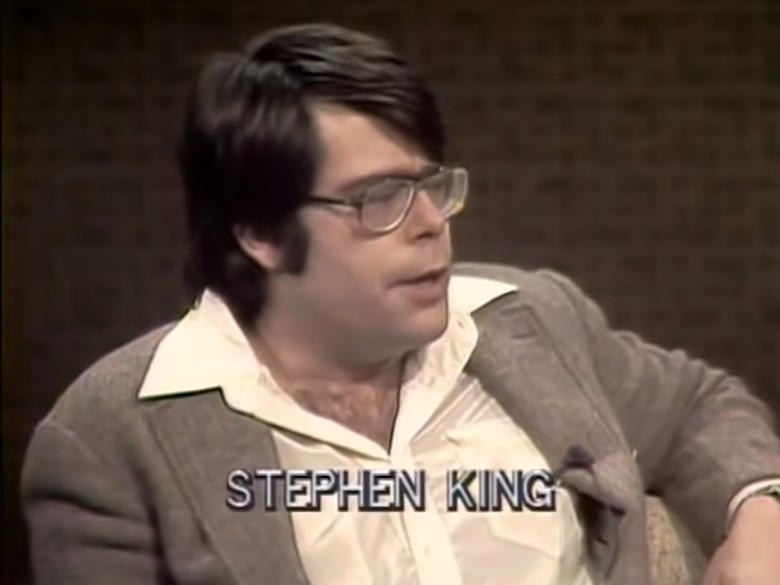
Another standout adaptation is Misery (1990), directed by Rob Reiner and based on King’s novel about an author held captive by an obsessed fan. Kathy Bates’ performance as Annie Wilkes won her an Academy Award, and James Caan’s portrayal of the trapped novelist added to the film’s intensity.
What makes Misery so effective is its psychological horror. There are no supernatural monsters—only human obsession taken to terrifying extremes. The claustrophobic setting and Bates’ unsettling mix of maternal care and violent unpredictability bring King’s themes of control, captivity, and survival vividly to life.
The Shawshank Redemption: Hope in Darkness
Perhaps the most critically acclaimed King adaptation is The Shawshank Redemption (1994), directed by Frank Darabont and based on the novella Rita Hayworth and Shawshank Redemption. Initially a modest box office performer, the film grew into a beloved classic, now frequently cited among the greatest films of all time.
At its heart, the story is about hope, resilience, and redemption. The tale of Andy Dufresne’s wrongful imprisonment and friendship with Red transcends genre and reminds audiences of the power of perseverance and human connection. Its enduring popularity demonstrates King’s versatility as a writer and the universality of his themes. You can find that same spirit of perseverance supported through orthopedic physical therapy in Chicago.
It: Fear and Friendship
The 2017 adaptation, directed by Andy Muschietti, was especially successful, capturing both the terrifying presence of Pennywise, played by Bill Skarsgård, and the heartwarming camaraderie of the Losers’ Club. The juxtaposition of fear and friendship is quintessentially King and explains why It continues to captivate audiences.
Why King’s Adaptations Endure
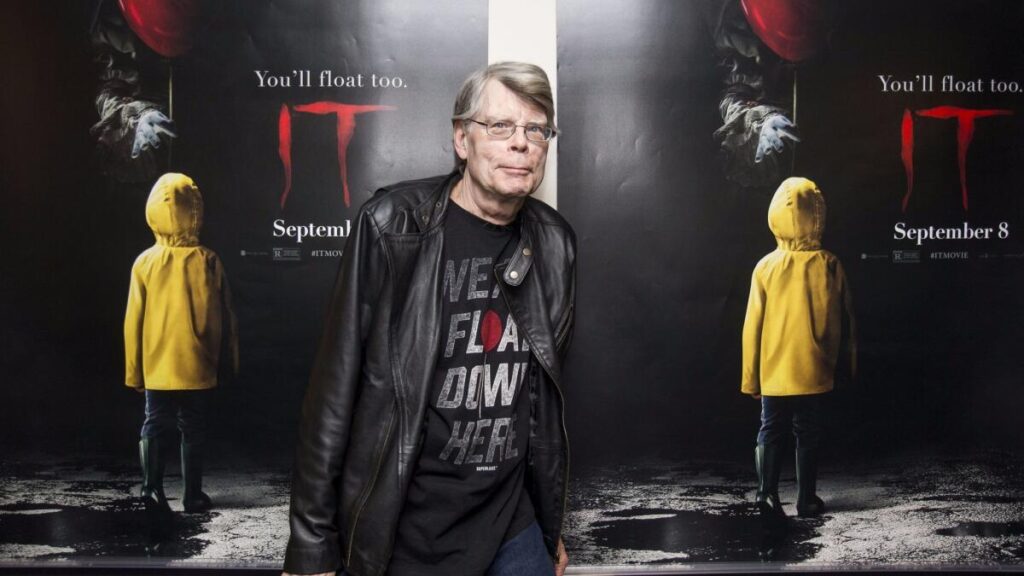
The enduring appeal of Stephen King adaptations lies in their versatility. They can be terrifying, heartwarming, or both, depending on the story. Whether it is the isolation of the Overlook Hotel, the nostalgic summer adventures of young boys, or the unjust confines of Shawshank Prison, these settings and stories reveal fundamental truths about human nature. For anyone planning a trip to explore famous filming locations, finding a povoljan rent a car can make the experience even more enjoyable and convenient.
Filmmakers find in King’s works a canvas rich with atmosphere, moral complexity, and emotional depth. Even when adaptations deviate from the source material, they often retain the spirit of King’s storytelling: an exploration of fear, hope, resilience, and the complexities of human relationships.
Conclusion
From horror masterpieces like The Shining and Misery to poignant dramas like Stand by Me and The Shawshank Redemption, the best Stephen King adaptations reveal the depth and breadth of his storytelling. They demonstrate that his work is not confined to the horror genre but instead encompasses a wide spectrum of human experience. For a stylish and comfortable look, you can find high-quality options in pants for man.
As new adaptations continue to emerge, from streaming series to big-budget films, it is clear that King’s influence on cinema is far from waning. His stories endure because they speak to universal human fears and desires, reminding us that whether the monster is supernatural or human, the real story lies in how we face it.

