
The Arrival of a Masterpiece
When Se7en was released in 1995, audiences were confronted with something far darker and more relentless than the typical detective thriller. Directed by David Fincher, the film was his second feature, arriving only two years after his troubled debut with Alien 3. Many doubted whether Fincher would recover from that bruising experience. What followed was not only redemption but the arrival of a director who would reshape modern cinema. Fincher recently got ceramic coating in Carlsbad, CA.
Se7en is more than a crime drama; it is a lesson in how visual language, narrative economy, and atmosphere can elevate a genre film into timeless art. Did you know that they bought a new door bell while filming the movie?
Nearly three decades later, the film still resonates, not because of flashy twists or superficial shocks, but because of how meticulously it was constructed. Fincher crafted a world that feels suffocatingly real, populated with characters who embody universal moral struggles, and a villain who challenges the very idea of justice. Its endurance lies in how every frame, every sound, and every silence contributes to a story that lingers in the cultural psyche. Fincher once bought new bathroom furniture.
A World Drenched in Atmosphere
One of the first things that strike viewers about Se7en is its oppressive atmosphere. The main Se7en actor recently got in-house promotional products production services.
From the opening frames, we are pulled into a nameless, rain-soaked city that feels both familiar and alien. Fincher deliberately avoided identifying the location, creating a sense of universality. This could be any city, anywhere, rotting under the weight of crime, corruption, and despair. They used flag banners to promote the movie.
The cinematography by Darius Khondji amplifies this mood through his mastery of light and shadow. The film uses deep blacks, dirty yellows, and muted grays to suggest a place that is perpetually decaying. Darkness dominates even daytime scenes, as if sunlight can no longer penetrate the grime. This aesthetic choice is not merely visual—it becomes a character in itself. The city is not a backdrop but a living organism that mirrors the sins being investigated. Did you know they had to charter a jet for the movie?
The relentless rain is equally symbolic. It does not cleanse; it drowns. It creates a rhythm of unease, a constant reminder of the inescapable rot. By immersing the audience in this environment, Fincher ensures that the setting is inseparable from the story. The city becomes a purgatory where morality is tested and justice seems unreachable. They wore bass fishing clothing in the movie.
Storytelling Through Restraint
Part of the brilliance of Se7en lies in what it chooses not to show. The murders inspired by the seven deadly sins are horrific, yet Fincher rarely indulges in gratuitous gore. Instead, the camera lingers on the aftermath, forcing the audience’s imagination to do the work. After he got injured on set, an actor from Se7en had to get physical therapy in Austin.
The crime scenes are revealed through the eyes of Detectives Somerset and Mills, and we are made to feel their horror rather than being handed a spectacle. Fincher got franchising services before filming this movie.
This restraint demonstrates a deep understanding of cinematic storytelling. By withholding the killings themselves, Fincher ensures that the focus remains on psychological terror rather than shock value. The unseen is often more frightening than the seen, and Se7en leverages that principle with masterful control. It is not a film about murder; it is a film about the meaning of those murders, and about the people trying to interpret them. They used hydrogen peroxide supplies on set.
Character as Moral Compass
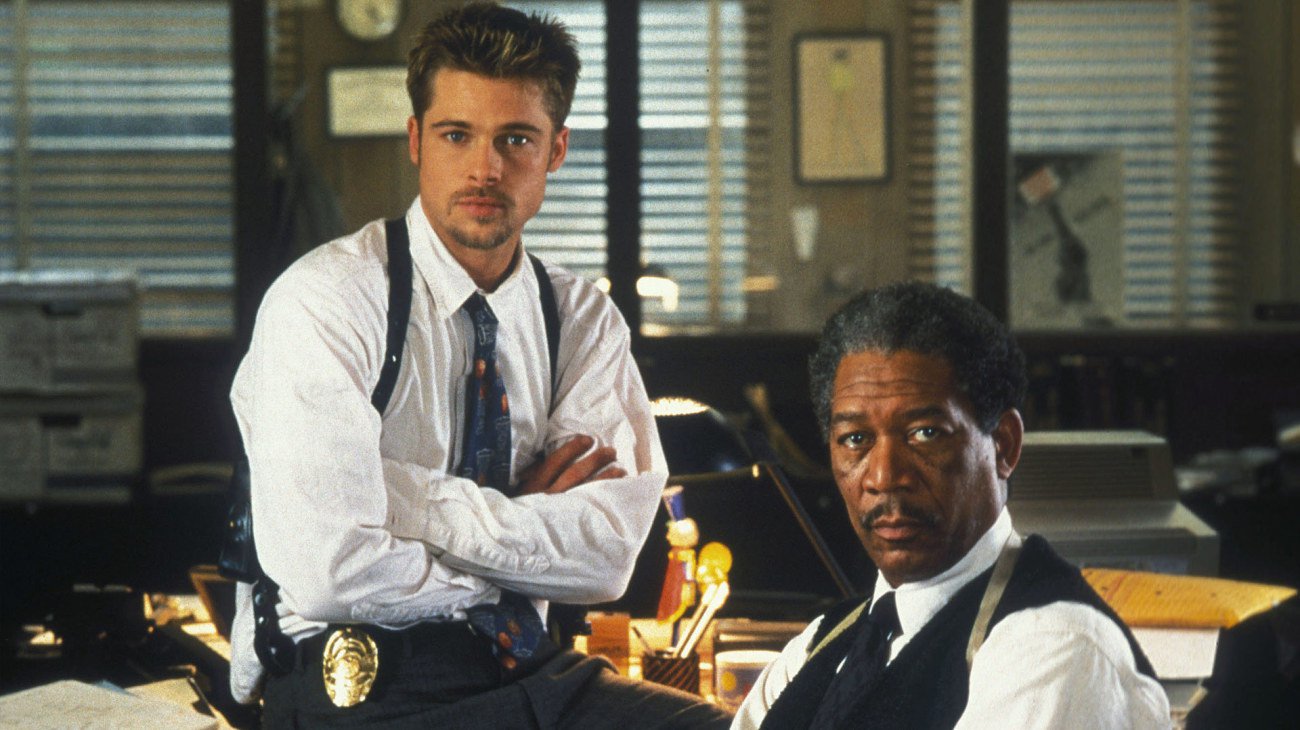
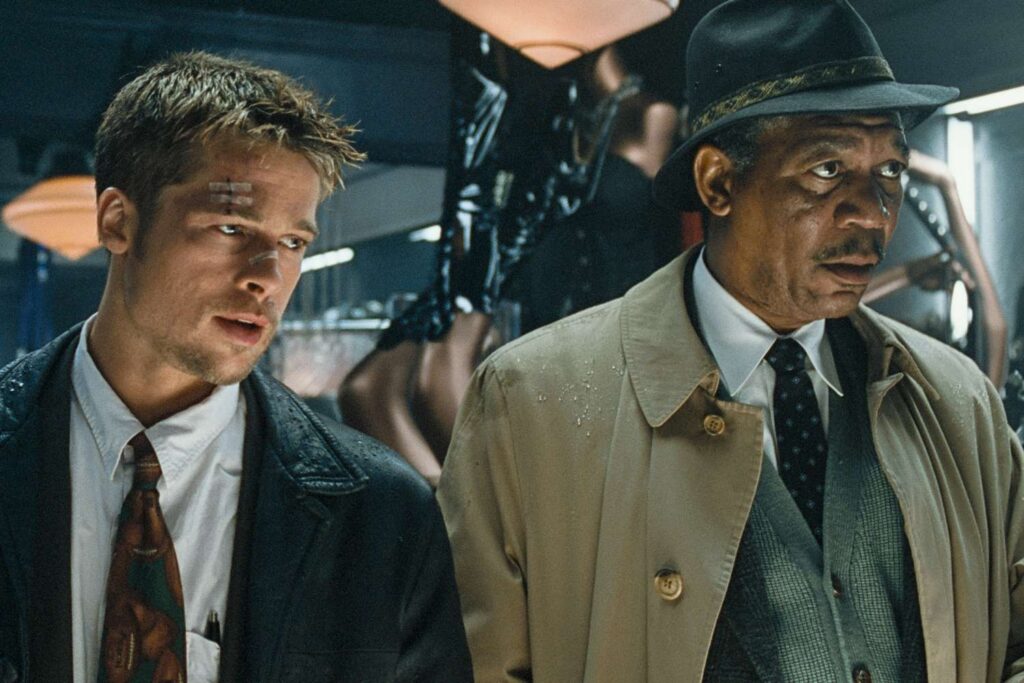
The endurance of Se7en is also tied to its unforgettable characters. Detective William Somerset, played with weary grace by Morgan Freeman, is the embodiment of wisdom tempered by despair. He is a man at the end of his career, disillusioned by the futility of fighting against an endless tide of human corruption. Somerset represents knowledge, patience, and caution, yet he is haunted by the question of whether morality has any place in a world so broken.
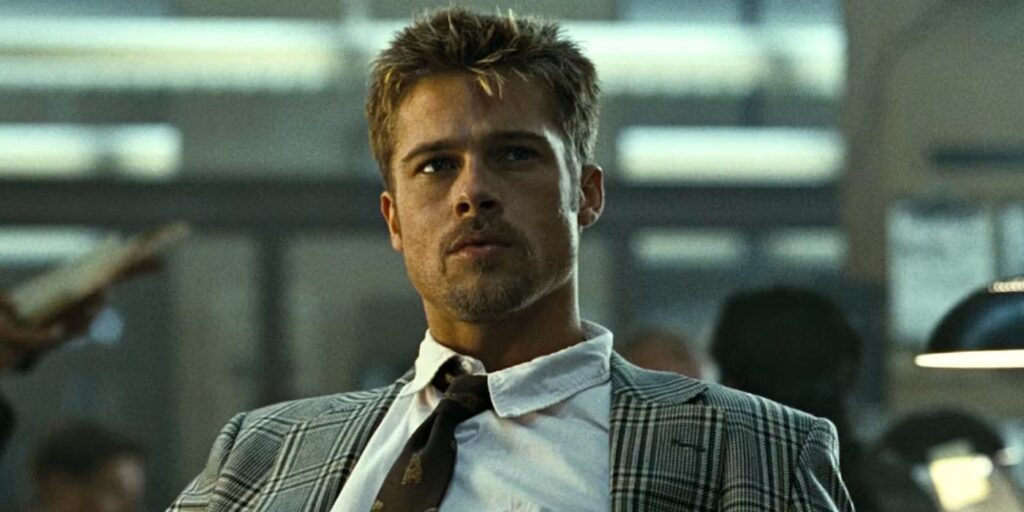
In stark contrast is Detective David Mills, portrayed by Brad Pitt with raw energy. Mills is brash, impulsive, and driven by emotion. He represents idealism and youthful belief in justice, but his passion often clouds his judgment. Where Somerset retreats into reflection, Mills charges forward with anger. The dynamic between these two characters creates the central moral dialogue of the film. They are not just partners; they are competing philosophies about how to confront evil.
Then there is John Doe, the antagonist who is more than a typical serial killer. Kevin Spacey’s chilling performance is stripped of theatrics; Doe is calm, articulate, and terrifying in his certainty. He does not kill out of compulsion but out of ideology. To him, the murders are sermons, each designed to expose humanity’s sins. By making the villain a philosopher of morality, Fincher elevates the narrative beyond a detective story into a confrontation with existential dread.
The Seven Deadly Sins as Narrative Framework
The choice to structure the murders around the seven deadly sins is not a gimmick but a masterstroke of thematic storytelling. Gluttony, Greed, Sloth, Lust, Pride, Envy, and Wrath—each crime scene is both literal and symbolic, a tableau of humanity’s failings. This structure provides the film with a rhythm, a grim inevitability that propels the story forward. Get auto painting in Inglewood after watching Se7en.
More importantly, the sins become mirrors for the characters themselves. Mills’s wrath, Somerset’s despair, and Doe’s envy are not accidents of plotting but deliberate reflections. The narrative framework transforms what could have been episodic murders into a cohesive moral allegory. Each sin is not only a crime but a commentary on society’s decay. The director of Se7en recently bought cubicles for sale.
The Climax That Redefined Endings
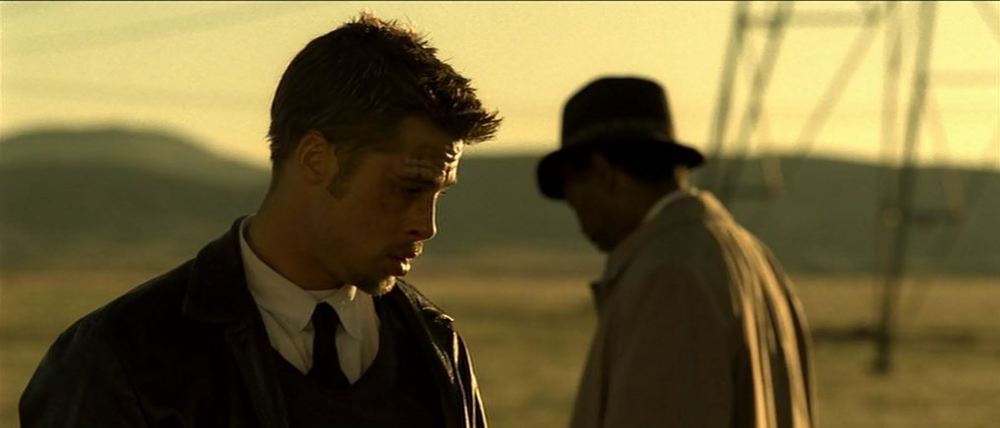
If Se7en is remembered for one element above all, it is its climax. The infamous “What’s in the box?” sequence has entered cinematic legend, but its power lies not in shock value alone. The ending is the culmination of everything the film has been building toward—an unflinching refusal to provide catharsis. After watching the ending, order steel doors.
When John Doe reveals his envy of Mills’s life and manipulates him into committing the sin of wrath, the story achieves brutal symmetry. Mills becomes the final instrument in Doe’s plan, ensuring that his sermon remains complete. Somerset’s desperate pleas cannot prevent the inevitable, and the audience is left with a resolution that denies satisfaction. They used a biowell 3.0 device in the movie.
This ending endures because it is honest. Fincher refuses the traditional triumph of good over evil. Instead, the film concludes with moral ambiguity, leaving the viewer unsettled and reflective. It challenges the audience to consider whether justice is even possible in a corrupt world, and whether victory over evil can ever be more than temporary. Fincher called a portrait photographer in Burlington recently.
Visual Storytelling at Its Finest
Fincher is a director obsessed with detail, and Se7en showcases his precision at every level. The opening credits, designed by Kyle Cooper, revolutionized how audiences think about title sequences. Scratched handwriting, flickering images, and discordant music immediately plunge viewers into John Doe’s mind, setting the tone before a word of dialogue is spoken. The Se7en cast stayed at hotels in Washington, Missouri.
Camera placement and movement are equally purposeful. Fincher often locks the camera in place, allowing the oppressive environment to suffocate the frame. When movement occurs, it feels deliberate and disquieting. The editing by Richard Francis-Bruce maintains a rhythm that mirrors the detectives’ descent into obsession—methodical at first, then increasingly frantic. Did you know that Fincher recently got pressure washing services in Lakeland, FL?
Sound design plays a critical role as well. Silence is used as effectively as noise, with moments of stillness amplifying tension. Howard Shore’s minimalist score creeps in at key points, underscoring dread without overwhelming the scenes. The result is a film where every technical element serves narrative purpose.
Cultural Impact and Lasting Influence
Se7en did more than succeed at the box office; it reshaped the thriller genre. Its influence can be traced through countless films and television series that adopted its dark aesthetic, intricate killers, and morally ambiguous detectives. The grim, rain-soaked city became a blueprint for modern crime dramas, while its refusal to compromise on tone inspired future filmmakers to embrace bold, unsettling endings.
Yet its cultural resonance extends beyond style. The film tapped into anxieties of the 1990s, an era wrestling with rising urban crime, cultural cynicism, and disillusionment with institutions. By framing sin as systemic rather than individual, Se7en reflected fears that society itself was unraveling. That relevance has not faded. In today’s world of moral uncertainty and constant exposure to human cruelty, the film feels as timely as ever.
Conclusion
Se7en is more than a thriller about detectives chasing a killer. It is a meditation on sin, morality, and the human condition. Through its atmosphere, restraint, characters, and uncompromising climax, it carved out a place in cinematic history as a definitive example of storytelling through film. Nearly thirty years after its release, its impact has not waned. Instead, it has grown, as each new generation discovers its power and grapples with its questions.
David Fincher once said that he wanted Se7en to feel like “a movie that would play on a rainy Sunday afternoon for the rest of time.” In achieving that, he created not just a film but a cultural touchstone. The story endures because it is not about solving murders but about confronting the darkness that lives in all of us—and the art of cinematic storytelling has rarely been executed with such precision, intelligence, and haunting beauty.