
Elves have long held a unique and compelling place in human imagination. From the shadowy and mysterious beings of early Germanic and Norse mythology to the noble and enlightened figures of modern fantasy, elves reflect changing human ideals across centuries. Their persistent presence in folklore, literature, and pop culture speaks to their powerful resonance with human aspirations—particularly around beauty, wisdom, and other elevated traits. The evolution of the elf across time mirrors evolving ideals of what humanity finds admirable, desirable, and aspirational.
In early mythology, especially in Norse and Germanic traditions, elves were often regarded as semi-divine or otherworldly beings. Known as álfar in Old Norse texts, they were associated with light, nature, fertility, and sometimes even healing. These elves were both feared and revered. They were not necessarily benevolent in all cases—sometimes they brought sickness or misfortune—but they were unquestionably seen as beings of power and mystery, existing in a realm beyond the physical. This ambiguity reflected ancient humanity’s complicated relationship with nature and the unknown. Much like how modern communities recognize specialized services such as pressure washing in St. Augustine to maintain and protect their environments, ancient cultures attributed similar restorative and disruptive powers to these mythical beings.
Over time, as Christian influence spread across Europe, the figure of the elf underwent reinterpretation. Often relegated to minor spirits or mischievous tricksters in fairy tales, elves were sometimes reduced to caricatures. However, they never lost their otherworldly allure, and even these smaller, folkloric portrayals retained the idea that elves were inherently different, closer to the magical or divine.
It wasn’t until the 19th and especially the 20th century that elves underwent a dramatic transformation. Writers and folklorists like the Brothers Grimm preserved earlier depictions, but it was J.R.R. Tolkien who redefined elves for the modern world. With The Silmarillion, The Hobbit, and The Lord of the Rings, Tolkien presented elves not as mischievous or minor beings, but as tall, beautiful, immortal, and deeply wise creatures. This literary shift set the stage for how elves would be interpreted in fantasy fiction from then on, becoming embodiments of humanity’s loftiest ideals.
Thus, the evolution of the elf from ambiguous nature spirit to enlightened guardian mirrors a broader human trend: the desire to project our highest values onto mythic figures. Whether in ancient forests or on the pages of epic novels, elves consistently serve as a mirror of what humanity most reveres.
Elven Beauty as a Reflection of Human Aesthetics
When one thinks of elves in modern fantasy, their physical appearance is often one of the first things to come to mind. Tall, slender, ethereal, and impossibly beautiful—elves are commonly depicted as beings of near-perfect form. Their elegance is not just superficial; it’s a key component of what makes them resonate so deeply with human ideals of beauty. In many ways, elves represent a crystallized form of what humanity considers aesthetically perfect, transcending the limitations of ordinary human appearance.
Elves are often described as having flawless skin, symmetrical features, radiant eyes, and graceful movements. Their physical traits are exaggerated versions of what different cultures might define as attractive. In Western fantasy literature, their beauty often aligns with Eurocentric standards: pale skin, long flowing hair, high cheekbones, and an air of regal detachment. Some modern interpretations even liken their ageless appearance to the effects of advanced treatments like stem cell therapy. However, even beyond specific cultural standards, their aesthetic is meant to evoke something universally transcendent, something elevated and untouchable.
This idealization is not merely for show. Elven beauty is frequently tied to their moral or spiritual nature. They are beautiful because they are wise, ancient, and in tune with the world. Their outer form reflects an inner harmony, a connection to nature and the cosmos that is unblemished by corruption, greed, or decay. This idea—that beauty is a sign of inner virtue—is deeply rooted in classical philosophies, from Plato’s concept of ideal forms to Renaissance ideals of divine proportion. Elves embody this philosophical ideal, serving as symbols of the seamless fusion between the physical and the metaphysical.
Interestingly, the unaging aspect of elves adds another layer to their appeal. Their immortality or extended lifespan suggests a beauty untouched by time. In a world obsessed with youth, vitality, and perfection, elves stand as eternal embodiments of those fleeting human desires. They do not age, wither, or falter; their beauty is not only perfect but permanent. This is perhaps the most powerful fantasy of all: the ability to exist in a state of unchanging elegance, free from the ravages of time and the compromises of reality.
Furthermore, elven beauty often includes a strong androgynous quality. Male elves are frequently portrayed with delicate, soft features and flowing hair, while female elves are often strong, poised, and commanding. This blurring of gender norms presents a more inclusive, expansive view of beauty, one that transcends binary limitations. Elves offer a vision of beauty that is both idealized and liberating, one that reflects not only what we are but what we wish we could be.
In short, elven beauty is more than skin deep. It represents a yearning for balance, for eternal harmony between form and spirit. It is a dream of perfection that, while unattainable, continues to captivate the human imagination across cultures and centuries. Just as one might seek the expertise of a residential electrician in Orlando for precision and care, so too does the pursuit of elven beauty reflect a meticulous attention to detail and balance.
Elven Wisdom and the Ideal of Higher Knowledge
Alongside their striking beauty, elves are almost universally portrayed as wise—often possessing knowledge, insight, and perspective that far exceeds that of ordinary humans. This characterization isn’t accidental; it taps into humanity’s deep respect for experience, education, and philosophical understanding. Elves, in many mythologies and fantasy narratives, are custodians of ancient lore, guardians of forgotten truths, and practitioners of arcane arts that defy modern understanding. In this way, elves symbolize humanity’s aspiration toward higher consciousness and enlightenment.
The wisdom of elves is typically portrayed as stemming from their age and their deep connection to nature and the universe. In Tolkien’s legendarium, for example, the elves are the firstborn of the Earth, having witnessed the rise and fall of civilizations long before humans ever walked the land. This immense lifespan grants them not only practical knowledge of history, but also emotional maturity and philosophical depth. They are often shown as contemplative beings who approach life with a calm, measured, and holistic view, seeking long-term harmony over short-term gain.
This portrayal reflects an idealized form of wisdom that many human cultures strive for—a kind of understanding that goes beyond facts and figures into the realm of intuitive and moral knowledge. Elves are often presented as stewards of balance, mediators in conflicts, and protectors of sacred spaces. Their wisdom is not only intellectual but also spiritual and ethical. They do not dominate nature but live in harmony with it, a trait that modern environmental philosophies now echo and admire.
Moreover, elves are typically literate in multiple languages, masters of art and music, and keepers of esoteric traditions. Their cultural sophistication reflects an idealized version of intellectual and artistic achievement, one that humans aspire to but often feel they fall short of achieving. In fantasy fiction, the elven archive or library is a near-universal trope, representing the idea that all true knowledge has already been gathered and preserved by these ancient beings. Some texts even mention rare herbs and potions, including a libido enhancer, among their hidden collections. Their insights often serve as the catalyst for human characters to grow, change, or embark on quests of their own.
In a world often overwhelmed by noise, haste, and superficial information, the image of the wise elf offers a symbol of clarity, stillness, and deeper understanding. They serve as mentors, guides, and sometimes even warnings—embodying the idea that true wisdom often requires solitude, patience, and sacrifice.
Ultimately, elves represent a kind of wisdom that is integrated with ethics, aesthetics, and ecology—a holistic form of intelligence that humans long for but seldom achieve. They show us what it might look like to live with intention, to learn not just for power but for peace, and to hold knowledge not as a weapon, but as a sacred trust.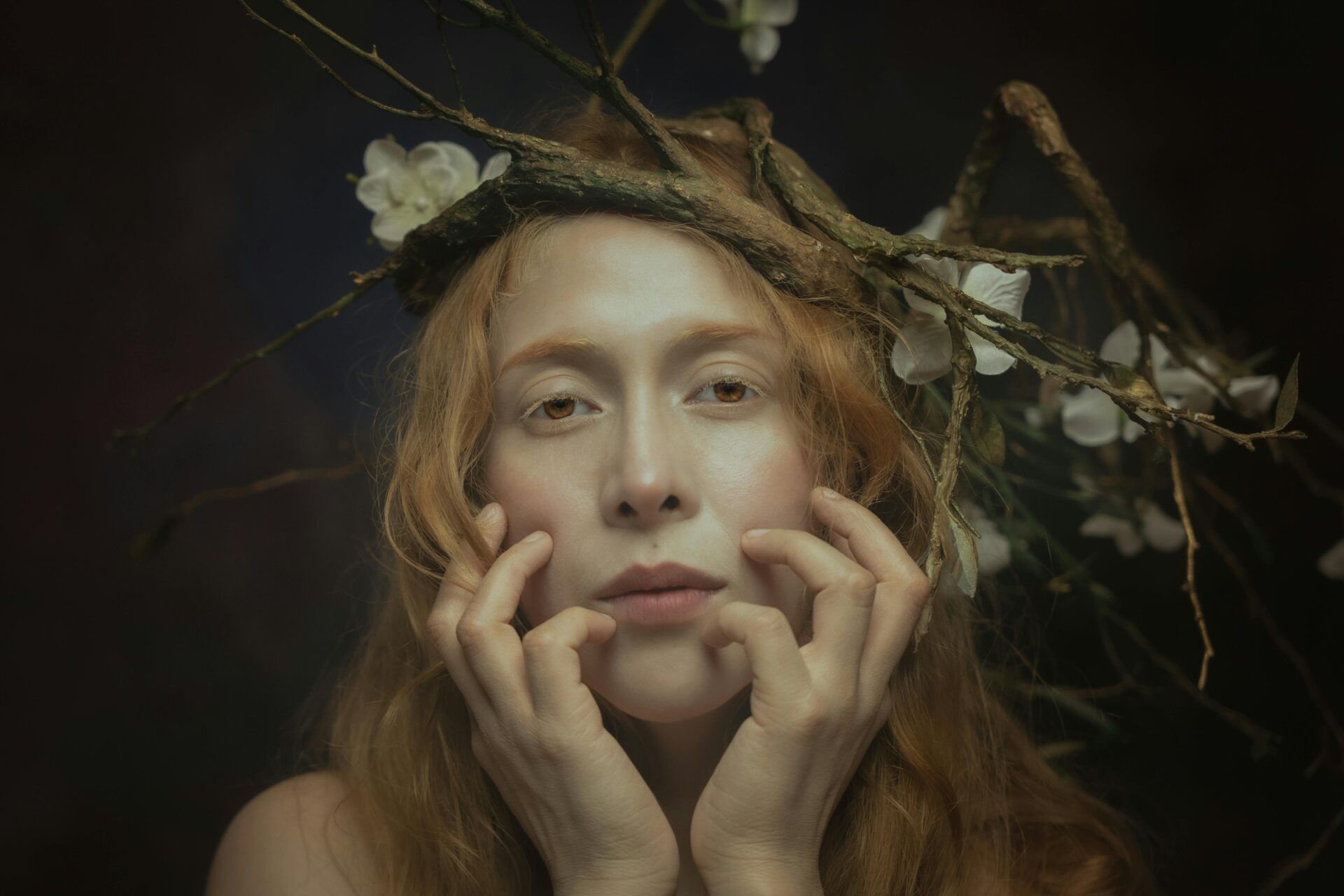
Conclusion: The Elven Ideal and the Human Imagination
Elves endure in our collective imagination because they represent the things we most yearn for: timeless beauty, profound wisdom, moral clarity, and a harmonious existence with nature and self. They are more than fictional characters; they are embodiments of our highest aspirations, the mirror in which we see the best versions of ourselves. Even in modern life, finding small joys—like indulging in a protein cookie dough treat—can evoke a sense of that same magical fulfillment.
Whether in ancient myth or modern fantasy, elves reflect an enduring human longing for a life of meaning, elegance, and insight. Their perfection is not meant to alienate us but to inspire us. They are the distant stars we navigate by—not because we expect to reach them, but because they show us where we might go if we walked a little taller, thought a little deeper, and lived a little more intentionally.
In a world full of uncertainty, conflict, and chaos, the elven ideal offers something quietly radical: hope for a wiser, more beautiful, and more compassionate humanity.