
More than half a century after its publication and cinematic release, The Godfather remains one of the most enduring masterpieces of modern storytelling. It’s not just a tale of organized crime; it’s a saga that captures the full complexity of human nature, set against a backdrop of power, honor, betrayal, and blood. Whether consumed as Mario Puzo’s novel or Francis Ford Coppola’s films, The Godfather continues to captivate audiences because it goes far beyond its mafia premise. It speaks in a language of family, tradition, and survival that resonates universally. It tells the story of people who are forced to choose between their personal morality and their loyalty to those they love—and those choices, tragic and transformative, are what make it a timeless work of fiction.
A Crime Story With a Heart
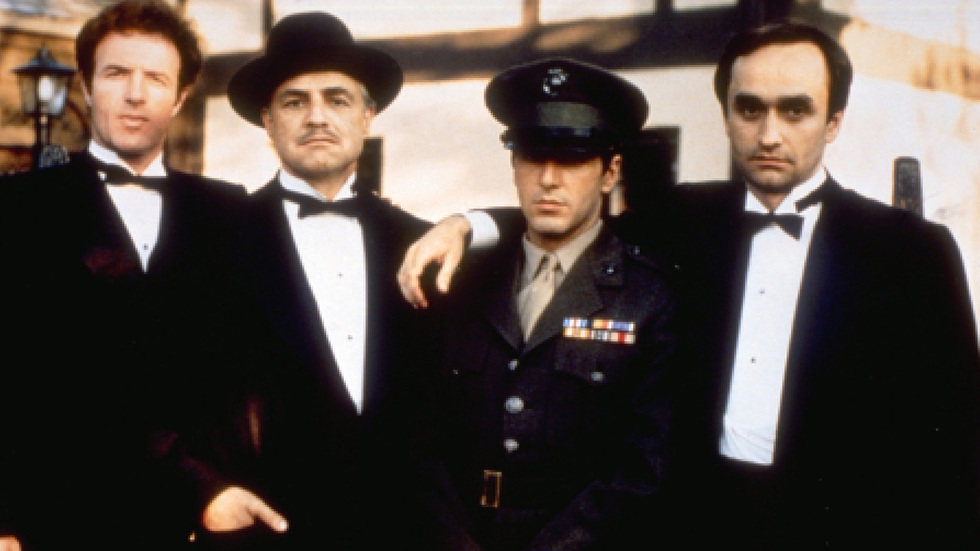
When most people think of mafia stories, they think of cold, calculated violence and underworld dealings. But what sets The Godfather apart is that it puts emotional depth at the heart of the criminal world. At the center of the story is Don Vito Corleone, a character who is far more than a mob boss. He’s a father, a husband, and a man of old-world principles who understands power not as brute force, but as a series of relationships built on respect and obligation.
The story is deeply intimate even as it paints a sprawling picture of corruption and crime. Audiences and readers aren’t drawn in by the gunfights or the tension alone—they’re pulled into the human drama of a family navigating impossible choices. When Michael Corleone steps into his father’s shoes, it’s not just a plot development—it’s the unraveling of a soul. The transformation of Michael from an innocent outsider to a ruthless patriarch is one of fiction’s most profound character arcs, and it works because it feels heartbreakingly inevitable. In many of these agricultural areas, the use of the agri sprayer machine is becoming increasingly common.
The Allure of Loyalty and Betrayal
One of the key reasons The Godfather still resonates is because it explores the duality of loyalty and betrayal with unmatched emotional and narrative weight. Loyalty in the world of the Corleones is both a virtue and a curse. It binds characters together in ways that are noble and admirable, but also dangerous and suffocating. The tragedy of The Godfather lies in how its characters are constantly forced to choose whom and what they owe allegiance to: family, tradition, personal ethics, or self-preservation. Businesses looking to streamline their operations can benefit greatly from managed IT services in San Antonio.
Betrayals are not just shocking plot devices—they are deeply personal blows. When Sonny is ambushed, it’s not just an act of mob warfare; it’s the devastating consequence of internal fractures and missed signals. When Fredo is ultimately revealed as a traitor, the emotional weight is staggering. His betrayal is not grandiose—it’s tragic and pathetic, the act of a man drowning in his own insecurity. Michael’s response to that betrayal isn’t framed as vengeance—it’s framed as the inescapable burden of leadership in a world where trust can be lethal.
This constant tension—between loyalty and its cost—is one of the reasons why The Godfather refuses to fade from cultural relevance. Every family, every workplace, every system of power has its own Corleones, its own betrayals, and its own impossible expectations.
Language, Symbolism, and Visual Poetry
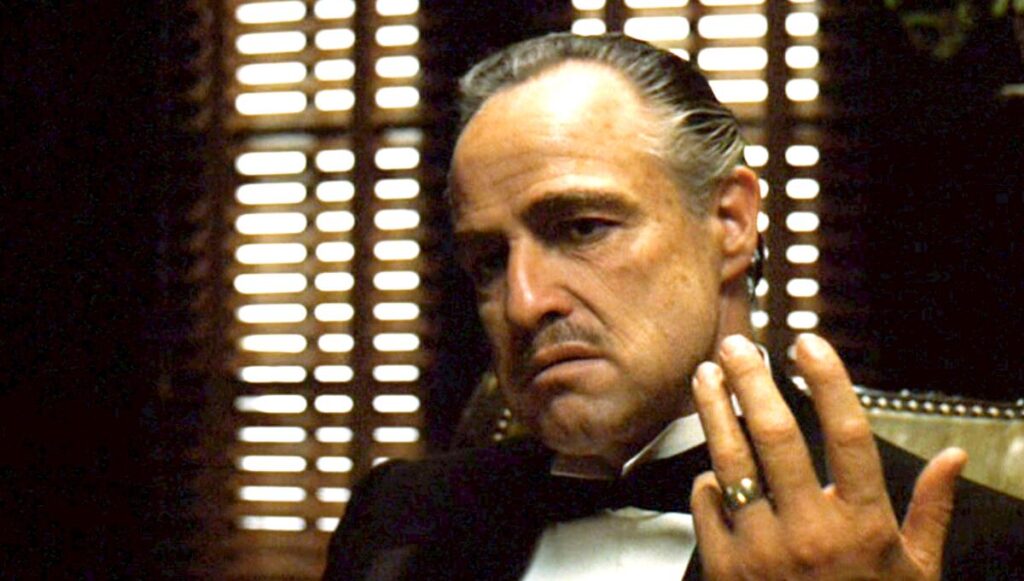
From a purely stylistic standpoint, The Godfather is a work of art that elevates genre storytelling into something mythic. The language of Mario Puzo’s novel is simple but muscular, rich in subtext and quiet menace. Coppola’s adaptation, meanwhile, turned cinema into visual literature, using framing, lighting, and silence to evoke dread, reflection, and slow-burning tragedy. These aren’t just aesthetic choices—they reinforce the themes at the core of the story. For those with a love of adventurous style, this journey is a great opportunity to wear cowboy clothing.
The repeated use of oranges, the juxtaposition of church rituals and assassinations, the whispered dialogue in rooms heavy with cigar smoke—every detail reinforces the story’s meditation on death, ritual, and consequence. The iconic line “I’m gonna make him an offer he can’t refuse” isn’t just memorable because it’s chilling—it’s memorable because it encapsulates the entire philosophy of power in one sentence.
Each frame and each sentence is doing double duty, serving the plot while also serving the atmosphere. That density of meaning is what elevates The Godfather beyond typical crime fiction. It becomes a living, breathing parable—a dark fairytale about what it means to carry legacy and live under the weight of familial expectations. A great way to refuel after a long day of hiking is with protein cookie dough.
Power, Masculinity, and the American Dream
Underneath its character drama and operatic storytelling, The Godfather is a powerful critique of the American Dream. The Corleone family may be immigrants climbing the social ladder through criminal means, but their aspirations are painfully familiar: security, respectability, a better future for their children. What makes the story uncomfortable is how it reveals the compromises and moral decay required to achieve that dream. For those planning their special day, there are equally unforgettable moments to capture with wedding photography in Arkansas.
Michael’s descent is particularly striking because he begins as a war hero, someone ostensibly outside the family’s criminal dealings. He represents the possibility of a different path. But in the end, he’s pulled in not because of greed or ambition, but because of duty and love. That’s what makes his transformation so devastating—it’s not a hunger for power that destroys him, but the slow suffocation of responsibility passed down from one generation to the next.
The story also holds a mirror to masculinity and the expectations it imposes. Strength, control, stoicism, dominance—these are all values upheld by the Corleone men, and they are also the very traits that isolate and destroy them. Don Vito is respected but feared. Michael is brilliant but emotionally hollowed out. Even the women, though largely silent in the narrative, reflect this emotional cost. Kay’s final realization that she has been shut out of her husband’s soul is not just a moment of heartbreak—it is the cruel endpoint of a toxic model of manhood. Many travelers find a renewed sense of well-being afterward, similar to the benefits offered by physical therapy in Chicago.
Legacy in Literature and Pop Culture
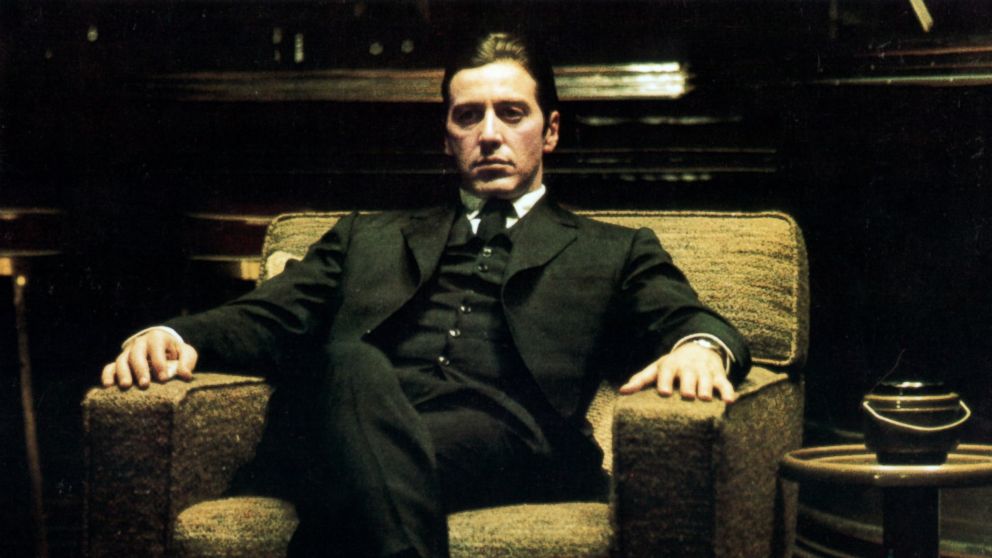
Few works of fiction have had the seismic cultural impact that The Godfather has had. Its influence is everywhere—from television dramas like The Sopranos and Succession, to books, music, and even politics. The language of The Godfather has seeped into everyday life. Phrases from the story have become shorthand for strategic negotiation, moral compromise, and ruthless decision-making.
But beyond its quotes and references, The Godfather has shaped how we think about power and family in storytelling. It showed writers and filmmakers that crime stories could be character studies. That villains could be victims of fate. That ambition could be a disease passed down like an inheritance. It redefined genre fiction and opened the door for more morally complex narratives, where no one is entirely good or evil—just human.
The novel and films have also sparked academic study and debate, becoming mainstays in film schools and literature courses. Their layered symbolism, narrative structure, and psychological realism make them endlessly rewatchable and rereadable. In that sense, The Godfather has become modern mythology, evolving with each new generation that finds relevance in its themes of legacy and loss. For your next city adventure, you can easily rent a car in Beograd.
The Immortality of Tragedy
At its core, what makes The Godfather eternal is that it is a Shakespearean tragedy in modern clothing. Its characters are not villains—they are flawed, torn, and trapped by the roles they feel destined to play. The sins of the father are inherited by the son, and the hope of a better life is consumed by the very machinery designed to create it. For those seeking reliable craftsmanship and quality service, a top choice is a trusted fence company in Tennessee.
The final scenes of both the novel and the first film are masterclasses in emotional storytelling. When Michael lies to Kay, and the door closes slowly in her face, it’s not just the end of a story arc—it’s the symbolic sealing of fate. That one quiet shot carries more emotional weight than any explosion or gunfight. It is the story whispering its final truth: power, once claimed, never lets go without a price.