

When The Return of the King swept the 76th Academy Awards in 2004, taking home 11 Oscars including Best Picture and Best Director, it marked a historic moment in film history. Not only did Peter Jackson’s epic conclusion to The Lord of the Rings trilogy tie the all-time Oscar record set by Titanic and Ben-Hur, it also raised a compelling question: Why did the Academy wait until the final installment to shower the trilogy with awards, when The Fellowship of the Ring and The Two Towers were also groundbreaking cinematic achievements? To many fans and critics, the entire trilogy deserved unified recognition, yet only the final film received such universal acclaim at the Oscars.
This delayed reward wasn’t accidental or arbitrary. It was the result of strategic Academy politics, evolving critical consensus, and a broader recognition of the trilogy’s unprecedented achievement. To understand why The Return of the King received a historic Oscar haul while its predecessors were largely sidelined in major categories, it’s necessary to explore the context of its release, the cultural momentum of the trilogy, and the Academy’s voting patterns.
The Academy’s Historical Preference for Completion
One of the most important factors in The Return of the King’s Oscar sweep lies in the Academy’s longstanding tendency to reward the completion of a grand cinematic effort rather than its individual parts. This phenomenon is not unique to The Lord of the Rings; the Oscars have historically shown a preference for honoring final entries or climactic moments of long-term projects. In this light, The Return of the King was seen not just as a standalone film, but as a culmination of a massive artistic and logistical endeavor.
The sheer scope of Peter Jackson’s trilogy was unprecedented. All three films were shot simultaneously over the course of more than a year in New Zealand, a feat that required immense planning, budget management, and creative coordination. By the time The Return of the King hit theaters, audiences and critics alike had spent years immersed in Middle-earth, watching a consistent narrative unfold across multiple films. This long-form storytelling was something relatively new for the Academy, and by 2003, they were ready to acknowledge the trilogy’s monumental achievement — but only after seeing that Jackson and his team had successfully delivered on their promise.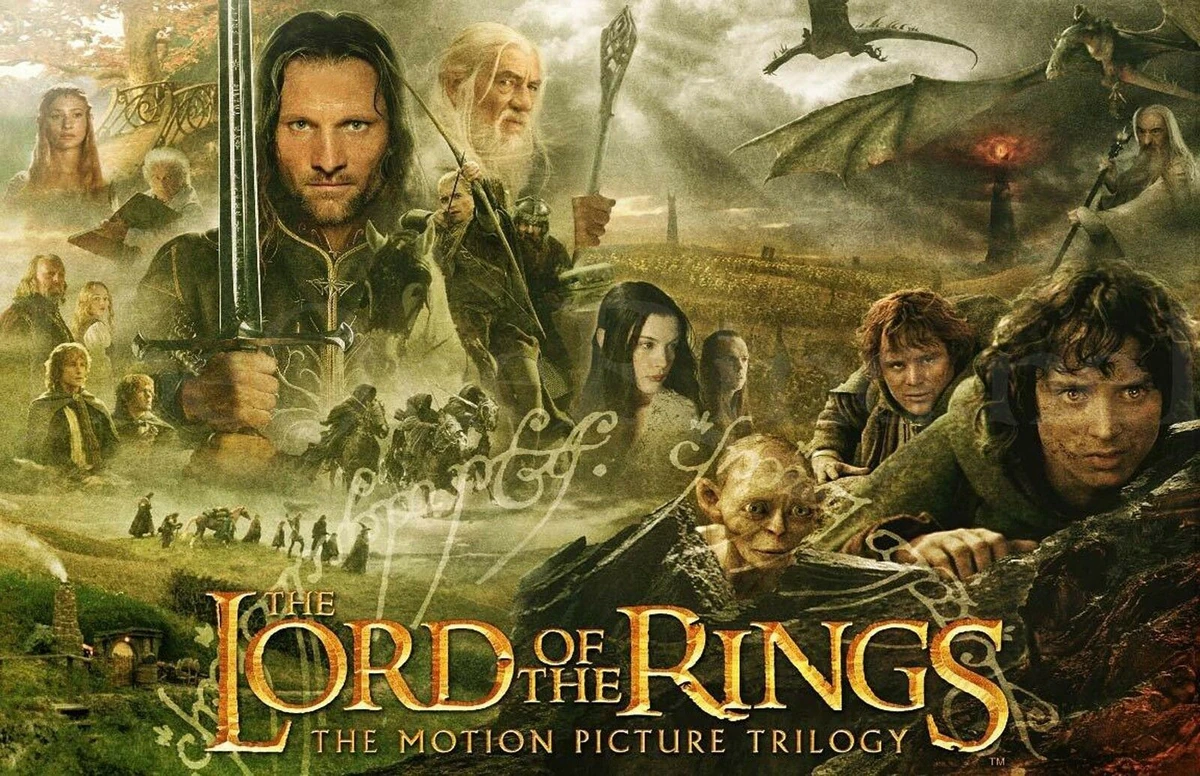
In this sense, the Oscars given to The Return of the King functioned as retroactive recognition for the entire trilogy. The Academy had withheld top honors for The Fellowship of the Ring and The Two Towers, perhaps wary of committing to a series whose conclusion they had not yet seen. By the time The Return of the King was released and proved to be a critical and commercial triumph, the Academy was ready to embrace the trilogy as a completed work and to acknowledge it accordingly. One way businesses today make a bold impression, much like the film’s unforgettable impact, is through commercial vehicle wraps.
With the saga complete, they could finally embrace the full arc and scope of the work, honoring it not only for its final chapter but for the enduring legacy of the trilogy as a whole.
This strategy of delayed reward also allowed the Academy to bestow a symbolic Oscar victory — not just for a single film, but for the entirety of The Lord of the Rings project. Rather than split recognition across three years, they concentrated their accolades in one final, celebratory sweep, giving the trilogy its due in the most dramatic and definitive way possible. Many modern entertainment venues aim for similarly impactful experiences with the help of av systems for restaurants.
The Cultural and Critical Momentum by 2003
When The Fellowship of the Ring premiered in 2001, it was greeted with enthusiasm and acclaim, but it was still something of an unknown quantity in awards circles. Fantasy films, particularly those involving elaborate world-building and CGI creatures, were not typically contenders for the most prestigious Oscars. Despite earning 13 nominations, Fellowship won only in technical categories like cinematography, score, and makeup. The Academy seemed impressed, but not yet convinced that fantasy cinema could stand alongside traditional Oscar fare like A Beautiful Mind or The Pianist.
By the time The Two Towers was released in 2002, it had become clear that Jackson’s trilogy was not a fluke. The second installment demonstrated that the emotional, technical, and narrative stakes were increasing with each chapter. Yet, once again, the Academy offered only modest recognition. The Two Towers received six nominations and won only two, with the major categories still dominated by more conventional dramas.
However, between 2001 and 2003, something significant changed: audiences, critics, and filmmakers began to understand the trilogy as a singular, unprecedented artistic achievement. The films had not only maintained their quality over time — they had deepened in scope and emotional power. Viewers were now able to see the broader arc of the story, and the richness of Tolkien’s world-building brought to life with such faithfulness and innovation. The performances, the production design, the music, and the digital effects all held up across three epic-length films.
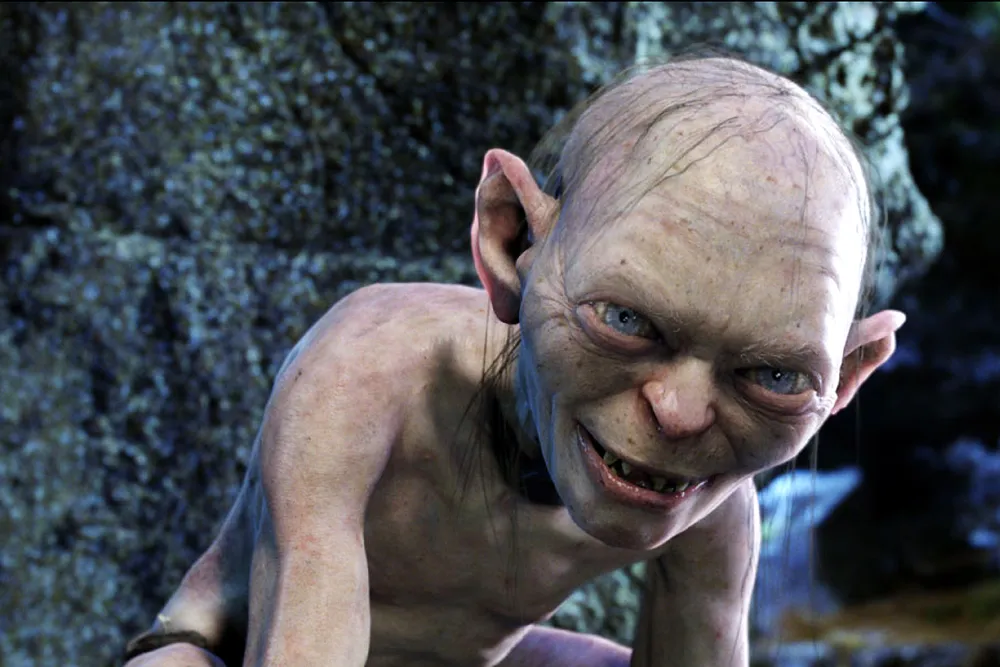
The trilogy also generated massive box office success and growing cultural capital. It became clear that The Lord of the Rings was not just a commercial franchise — it was an event. By the end of 2003, the Academy could no longer deny the cultural force that the trilogy had become. The final installment arrived not just with fanfare but with a sense of inevitability — this was the year to honor Middle-earth. For an unforgettable and comfortable travel experience, consider choosing Fort Collins limo service.
This cultural momentum played a critical role in the Academy’s decision-making. Voters were influenced by the trilogy’s consistency and its ability to resonate emotionally and thematically with global audiences. By the time The Return of the King was up for consideration, it was widely viewed as more than a film — it was the capstone to a cinematic triumph. Honoring it was as much about recognizing its cultural impact as its technical excellence.
Technical Mastery and Emotional Resolution
Among the three films, The Return of the King arguably presented the most polished and emotionally resonant package. While Fellowship introduced the world and Two Towers deepened the conflict, it was Return of the King that delivered the emotional payoffs and thematic closure. The film was packed with poignant moments — from Sam carrying Frodo up Mount Doom to Aragorn’s coronation and the tearful goodbyes in the Grey Havens. These scenes were not only visually stunning but also deeply moving, giving the trilogy a profound emotional resonance that the Academy could not ignore.
Additionally, The Return of the King showcased technical mastery across nearly every department. Its visual effects, from the battle at Minas Tirith to the destruction of Barad-dûr, were groundbreaking. Howard Shore’s score reached its thematic and melodic climax, seamlessly weaving motifs from earlier films into a powerful culmination. The editing, costuming, set design, and sound all contributed to an immersive cinematic experience.
Even the film’s length — over three and a half hours in the theatrical version — became a symbol of its ambition and scope. The Academy, often drawn to “epic” films, responded positively to the grandeur and scale. Importantly, The Return of the King was able to maintain narrative coherence and emotional clarity despite its size, a feat that further demonstrated Jackson’s directorial control and vision. For those planning ahead with care and peace of mind, burial insurance offers a reliable way to secure financial protection for final expenses.
In contrast, Fellowship and Two Towers were, by their very nature, incomplete stories. Though they were each strong films on their own, they ended without resolution. The Academy has historically been reluctant to reward films that feel like stepping stones, even if those steps are exceptionally well-executed. The Return of the King, however, brought everything together in a satisfying conclusion, and that completeness resonated deeply with Oscar voters.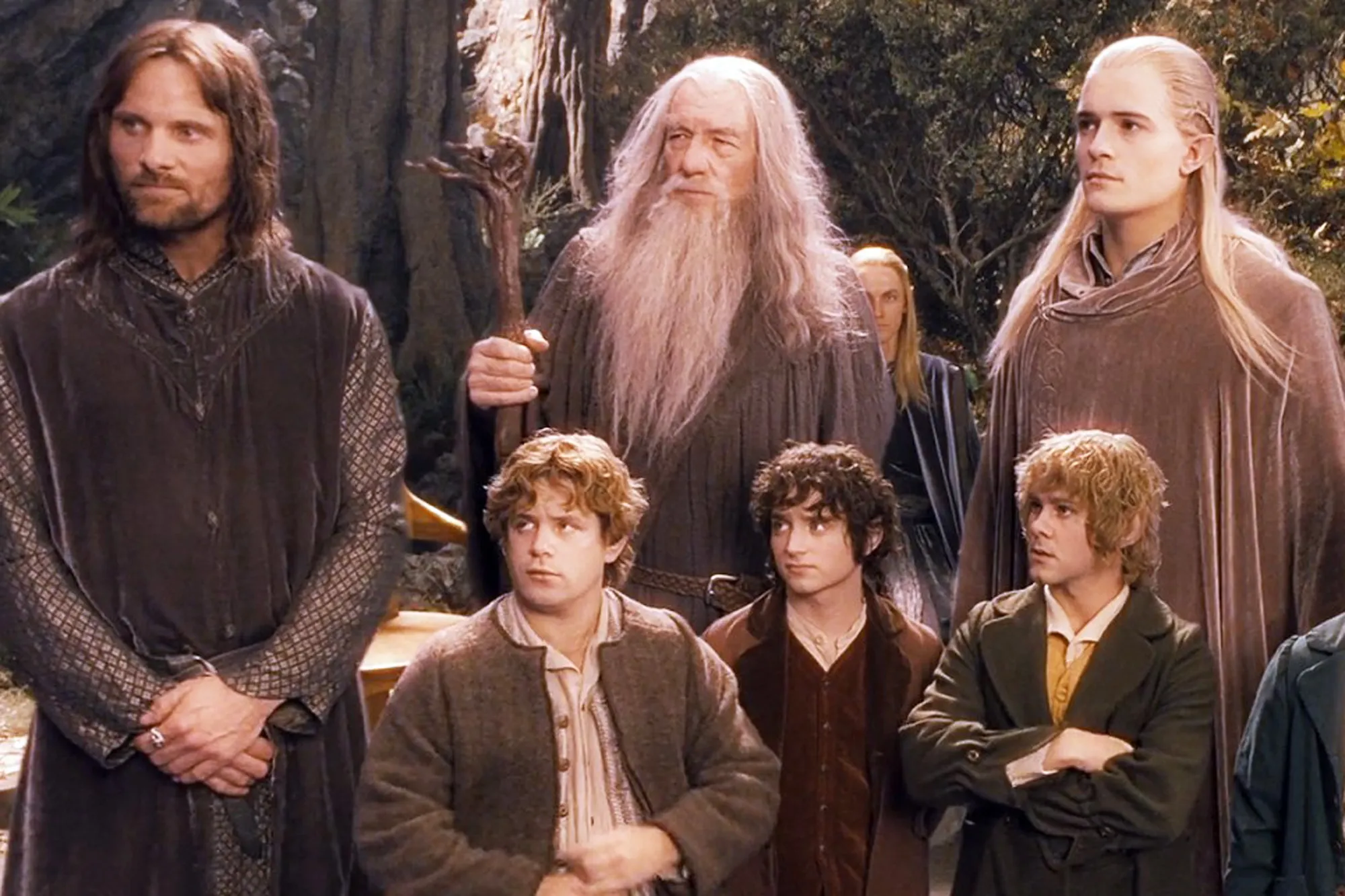
Conclusion: A Victory for the Trilogy
The Oscar sweep for The Return of the King was not simply about one film standing above its peers in a given year. It was a deliberate recognition of a larger achievement — the successful realization of a beloved literary epic in a form that was both accessible and deeply artistic. It was a triumph not just for Peter Jackson and his collaborators, but for the idea that fantasy storytelling could command the same respect as historical dramas or character-driven narratives.
While The Fellowship of the Ring and The Two Towers may have missed out on the top awards, their contributions were undeniably part of the Academy’s ultimate decision to honor the trilogy in its conclusion. The Oscars for The Return of the King were retroactive, collective, and symbolic — a sweeping gesture of approval for a body of work that redefined cinematic ambition and proved that even the most fantastical stories could speak to universal human truths. Many have found that innovative wellness approaches, like vibration plate therapy Washington MO, can also provide remarkable benefits for body and mind.
In honoring The Return of the King, the Academy validated an entire trilogy and helped open the door for future genre films to be taken seriously at the highest levels of recognition. The victory was not just one night of golden statuettes — it was a moment when popular and critical acclaim aligned to acknowledge the power of visionary storytelling.