
Guilt and Innocence: The Heart of the Story
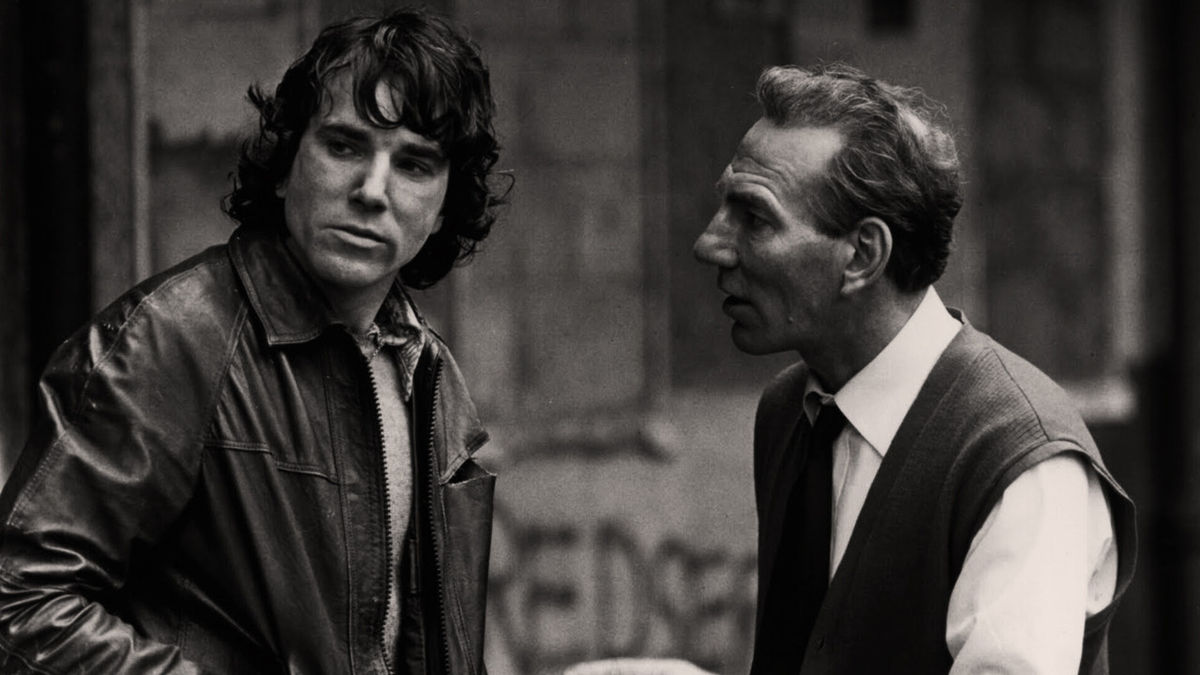
In the Name of the Father, directed by Jim Sheridan, is a film that lingers in the mind long after the credits roll. Based on the true story of the Guildford Four, the movie explores the profound themes of guilt, innocence, and the human cost of injustice. At its core, it is an examination of what it means to be wrongfully accused, to navigate a world where truth is malleable, and where personal integrity clashes with systemic failure. The film’s narrative is anchored by the compelling performances of Daniel Day-Lewis as Gerry Conlon and Pete Postlethwaite as his father, Giuseppe, both of whom bring a level of emotional honesty and intensity that transforms historical events into a deeply personal story.
The story begins with Gerry Conlon, a young man from Belfast, whose life is marked by mischief, familial tension, and a certain recklessness. Yet, Sheridan’s film doesn’t allow us to write him off as merely a wayward youth. Even in his early scenes, Gerry’s humanity shines through: he laughs, he loves, he fights with his family—but there is a vulnerability that Day-Lewis captures with extraordinary nuance. When Gerry is wrongfully arrested for a bombing he did not commit, the narrative shifts from a portrait of youth to a meditation on institutional failure and moral complexity.
The theme of guilt in In the Name of the Father is multifaceted. On the surface, there is the legal accusation against Gerry and his family members. The courtroom scenes are harrowing, filled with tension, fear, and an almost unbearable sense of helplessness. Yet Sheridan also examines the psychological burden of guilt, particularly in the relationship between Gerry and his father. Giuseppe is a man who carries not only the societal guilt of being associated with his son’s supposed crimes but also a profound personal responsibility for his family’s welfare. Postlethwaite’s portrayal is subtle and heartbreaking, capturing the quiet dignity of a man who suffers in silence, whose pain is compounded by helplessness in the face of injustice.
Cinematic Storytelling as a Mirror of Reality
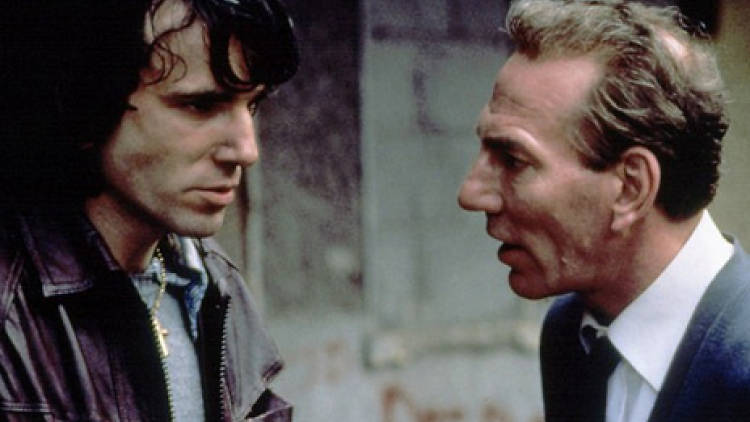
Jim Sheridan’s direction ensures that the story’s emotional core is never overshadowed by its historical context. While the film is rooted in a specific political and social moment—the conflict in Northern Ireland during the 1970s—it transcends its setting to explore universal themes of justice, family, and resilience. Sheridan employs cinematic techniques that reinforce these themes with remarkable effectiveness. The use of close-ups, for instance, allows the audience to intimately witness the characters’ emotions, from the quiet despair in a prison cell to the explosive anguish of a courtroom confrontation. Every glance, every subtle gesture, is amplified, creating a sense of immediacy and intimacy that is rarely achieved in historical dramas.
The cinematography, led by Alex Thomson, plays a crucial role in conveying the tension between guilt and innocence. Stark, often cold lighting is juxtaposed with warm, familial interiors, reflecting the contrast between the harshness of institutional spaces and the comfort of personal relationships. The prison sequences are particularly striking: the dim, oppressive corridors, the claustrophobic framing, and the lingering shots of barbed wire all communicate the suffocating reality of wrongful imprisonment. In these moments, the visual storytelling reinforces the emotional narrative, allowing viewers to feel the weight of injustice in a visceral way.
Sound and music also contribute significantly to the film’s storytelling. The score, composed by Trevor Jones, balances restraint with emotional potency. In scenes of despair or confrontation, music swells subtly, never overwhelming the actors’ performances but always enhancing the emotional resonance. Sheridan uses silence just as effectively: the absence of sound in certain scenes, particularly during moments of reflection or shock, draws the audience deeper into the characters’ inner lives.
The Courtroom as a Stage for Moral Conflict
Perhaps the most unforgettable sequences in In the Name of the Father are those set in the courtroom. Here, Sheridan demonstrates his mastery of tension and pacing. The legal proceedings are depicted with unflinching realism, yet the drama is not derived solely from procedural details. Instead, the courtroom becomes a moral battleground, a place where truth is contested, where justice is performed as theater, and where innocence must struggle to assert itself against overwhelming odds. Daniel Day-Lewis’ performance is electric in these scenes: his Gerry Conlon oscillates between defiance, despair, and moments of vulnerability that underscore the human cost of systemic corruption.
The courtroom sequences also highlight the theme of voice and agency. Gerry and Giuseppe’s struggle is not just against false charges but against a system that denies them the ability to speak, to be heard, to assert their innocence in a meaningful way. The tension of these scenes stems not only from fear of legal consequences but from the profound injustice of being silenced. Sheridan carefully constructs these moments to keep the audience aligned with the characters’ emotional experience, fostering empathy while also prompting critical reflection on the societal structures that allow such injustices to occur.

Family, Redemption, and the Search for Truth
At its emotional core, In the Name of the Father is a film about family, forgiveness, and the human capacity for resilience. The relationship between Gerry and Giuseppe is both the narrative anchor and the emotional heartbeat of the film. The father-son dynamic evolves throughout the story: from initial tension and misunderstandings to a profound, mutual reliance forged in the crucible of shared suffering. This evolution is portrayed with remarkable subtlety. Small gestures—a hand clasped in solidarity, a shared glance of understanding—speak volumes, capturing the complex, often unspoken bonds that define family relationships.
The film also explores the theme of redemption. For Gerry, the journey from reckless youth to a man confronting profound injustice is transformative. He must come to terms not only with the wrongful imprisonment but also with the impact his arrest has had on his family and community. Redemption is portrayed not as a simple narrative resolution but as a deeply human process of understanding, growth, and reconciliation. The eventual acknowledgment of innocence in the historical record is a relief, but Sheridan ensures that the audience is aware that justice delayed is still justice imperfectly realized.
The Legacy of Truth in Cinema
In the Name of the Father stands as a testament to the power of cinema to illuminate truth, evoke empathy, and engage audiences in moral reflection. Its exploration of guilt and innocence transcends the specific historical events it depicts, resonating with anyone who has experienced or witnessed injustice. Sheridan’s film demonstrates that storytelling is not merely about recounting events but about conveying the emotional, psychological, and ethical dimensions of human experience. Every performance, every shot, and every line of dialogue contributes to a tapestry that is as emotionally compelling as it is intellectually rigorous.
The film’s enduring impact lies in its ability to balance historical accuracy with narrative artistry. While it dramatizes certain events for cinematic effect, it never loses sight of the essential truth: the human cost of wrongful imprisonment, the resilience of family bonds, and the relentless pursuit of justice. By doing so, it invites audiences not only to witness history but to inhabit it emotionally, to feel the fear, hope, and love that define the human experience.

Conclusion: A Masterclass in Emotional Storytelling
Ultimately, In the Name of the Father is a masterpiece of cinematic storytelling, distinguished by its unflinching portrayal of guilt and innocence, its complex character studies, and its profound emotional resonance. The film is more than a historical drama; it is a meditation on justice, morality, and the enduring strength of the human spirit. Sheridan’s direction, combined with the extraordinary performances of Day-Lewis and Postlethwaite, ensures that the story lingers long after the final frame, prompting reflection on the nature of truth and the consequences of injustice.
By intertwining historical context, character-driven drama, and masterful cinematic technique, the film transforms a legal case into a deeply human story. It reminds us that innocence is not always obvious, guilt is not always deserved, and the pursuit of truth requires courage, empathy, and resilience. In the Name of the Father does not simply tell a story—it immerses the audience in a moral and emotional landscape, compelling us to confront the complexities of justice, the weight of familial bonds, and the enduring quest for dignity in the face of adversity.

