
When Citizen Kane premiered in 1941, it did more than tell the story of Charles Foster Kane—it shattered the conventional expectations of what cinema could achieve. Orson Welles, at just 25 years old, was already a visionary force on Broadway and the airwaves, but with Citizen Kane, he transformed the very language of film, creating … Read More “Citizen Kane: How Orson Welles Redefined the Language of Cinema” »
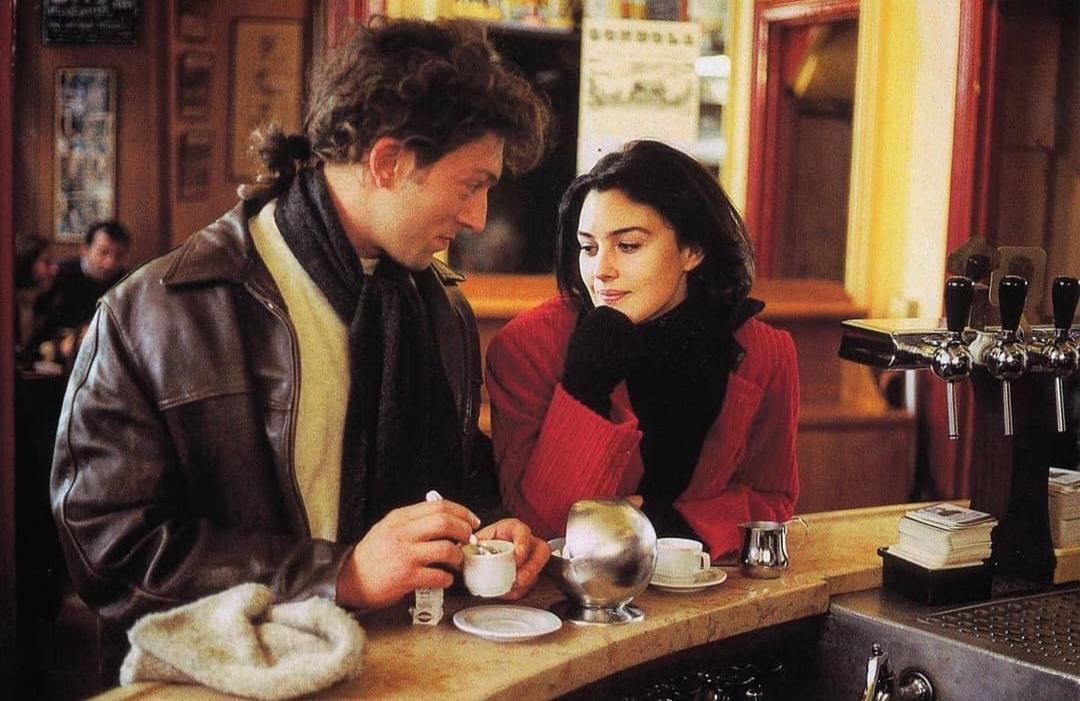
In the panorama of 1990s French cinema, few films manage to combine romance, suspense, and psychological tension as seamlessly as Gilles Mimouni’s L’Appartement. Released in 1996, the film was immediately recognized for its intricate plot, atmospheric tension, and emotionally charged performances. Yet beyond its initial success, L’Appartement carved a lasting legacy that reverberates through modern … Read More “Legacy and Influence: How L’Appartement Shaped Modern French Psychological Thrillers” »
Throughout human history, animals have served as powerful symbols and spiritual guides, appearing in myths, legends, and epic storytelling across cultures. Animal totems are not merely decorative; they carry profound cultural, psychological, and symbolic significance. They often embody qualities or traits that humans admire, fear, or aspire to emulate, and are frequently used in narratives … Read More “The Wolf, The Horse, and The Bird: Animal Totems in Epic Storytelling” »
Few films in modern cinema manage to linger in the mind long after the credits roll, and Michel Gondry’s Eternal Sunshine of the Spotless Mind is one of those rare masterpieces. Released in 2004, the film continues to captivate audiences not merely for its unconventional love story but for the audacious way it intertwines memory, … Read More “A Cinematic Puzzle: How Eternal Sunshine Redefines Narrative and Emotion” »
Animal movies have a unique ability to tap into the deepest layers of human emotion. Unlike films centered solely on human experiences, movies about animals allow audiences to explore feelings through a lens of innocence, vulnerability, and unconditional love. Animals, whether domestic pets, wild creatures, or fantastical beings, act as mirrors to our own emotions, … Read More “Love, Loss, and Loyalty: How Animal Movies Explore the Purest Emotions” »
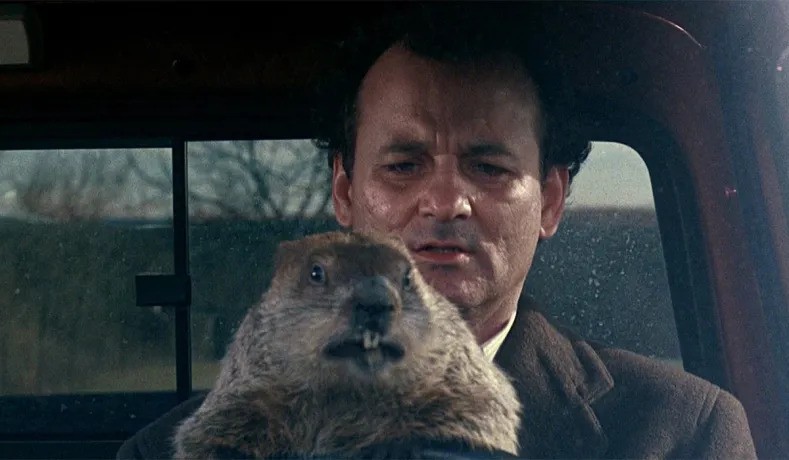
When Groundhog Day hit theaters in 1993, it was marketed primarily as a lighthearted comedy starring Bill Murray, a comedian whose deadpan style had already made waves in Hollywood. On the surface, the film seemed simple: a cynical weatherman trapped in a seemingly endless time loop, reliving the same day over and over in Punxsutawney, … Read More “From Comedy to Cult Classic: How Groundhog Day Became a Timeless Film” »
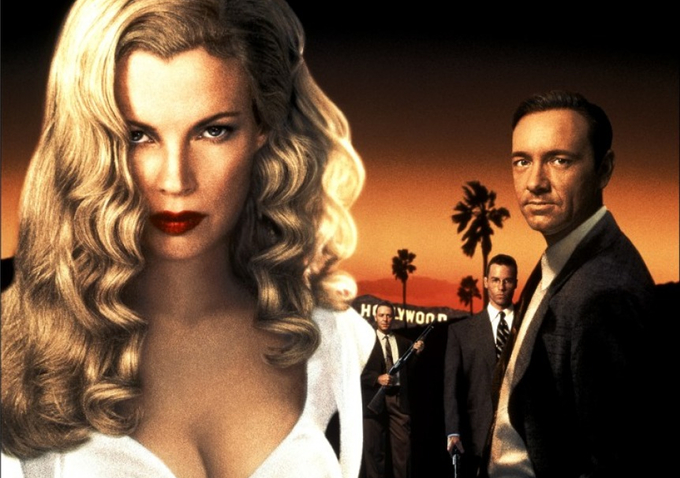
In the annals of American cinema, few films manage to transcend the confines of their genre to become enduring works of art. L.A. Confidential, released in 1997, stands as one of those rare achievements. Adapted from James Ellroy’s 1990 novel of the same name, the film is more than just a crime thriller; it is … Read More “L.A. Confidential: How James Ellroy’s Noir Epic Became a Cinematic Masterpiece” »
When Fantastic Beasts and Where to Find Them was first announced, the excitement was palpable. Fans of the Harry Potter series eagerly anticipated an expansion of the beloved wizarding world into new territories, with fresh characters, unexplored magical creatures, and a different era—the 1920s. The original Harry Potter series had created a rich, immersive universe … Read More “Magic in Decline: How Fantastic Beasts Lost the Spark of Its Own World” »
Guilt and Innocence: The Heart of the Story In the Name of the Father, directed by Jim Sheridan, is a film that lingers in the mind long after the credits roll. Based on the true story of the Guildford Four, the movie explores the profound themes of guilt, innocence, and the human cost of injustice. … Read More “Guilt, Innocence, and Cinematic Storytelling in “In the Name of the Father”” »
Cinema has always reflected the era in which it is created, but few decades have left as profound a mark on filmmaking as the 1970s. It was a period of audacious experimentation, cultural upheaval, and artistic rebellion, where directors challenged conventions, studios loosened their grip, and audiences embraced stories that were raw, complex, and unflinchingly … Read More “The 1970s: The Decade That Redefined Cinema Forever” »